

HIPAA Alert: Potential Data Breach Learn More

Search
Close this search box.

‘Blood Work’ and Cancer Detection: 2 RCCA Oncologists Explain What Doctors Look for in Your CBC

“You’re going to feel a little pinch.”

Each year, tens of millions of Americans hear that phrase, or words to the same effect, just before a phlebotomist draws blood as part of their annual wellness exam.

While the phlebotomist’s ‘heads-up’ may leave you unfazed, unnerved, or somewhere in between, the medical oncologists and hematologists of Regional Cancer Care Associates (RCCA) want you to know that the “little pinch” can yield huge benefits in terms of protecting your health. RCCA is one of the nation’s largest networks of oncology specialists, with more than 20 locations near you across New Jersey, Connecticut, Massachusetts, and the Washington, D.C., area.

“There are two points I would like people to understand about the complete blood count, or CBC, that a laboratory performs with a portion of the blood drawn for your annual exam,” says Noa Biran, MD. “First, CBC results can identify the potential presence of a serious disease, including several forms of cancer, which is one reason why having regular examinations is vital. Second, an abnormal CBC result does not mean that you have cancer, which is diagnosed only after extensive testing, including biopsy. Rather, it is a finding for your physician to consider – in the context of your overall health – when deciding what follow-up, if any, is indicated,” explains Dr. Biran, a board-certified hematologist and medical oncologist who practices with RCCA at the John Theurer Cancer Center of Hackensack University Medical Center in Hackensack, NJ.

What Is Included in a Complete Blood Count?

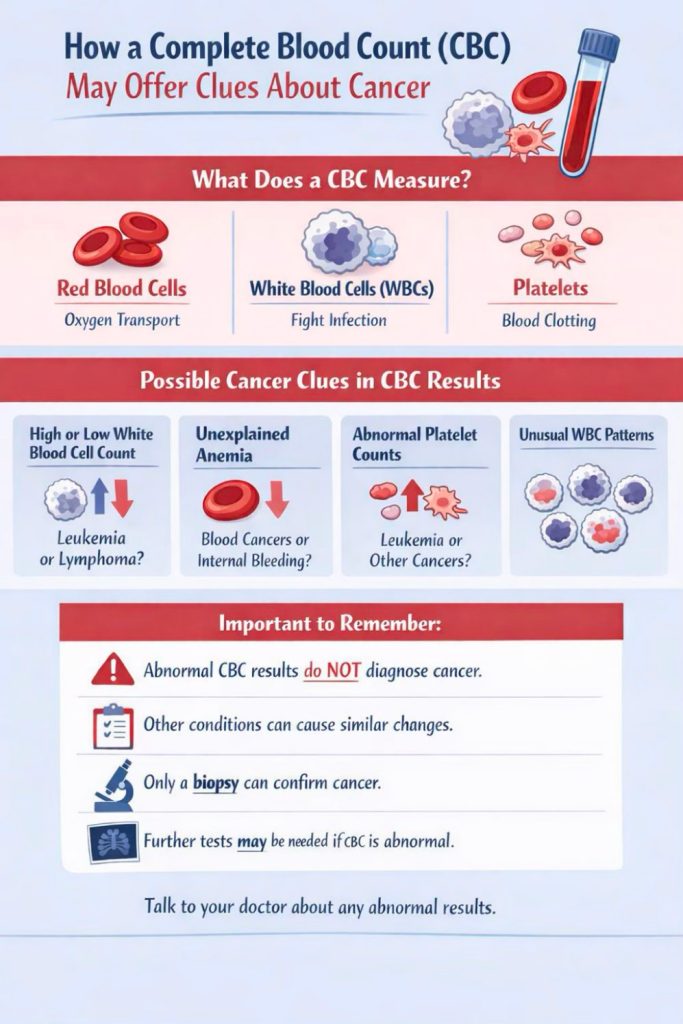
Julianne W. Childs, DO, notes that the CBC includes assessments of the three main components of the blood: the red blood cells that carry oxygen to organs and tissues throughout the body, the white blood cells that fight infection, and the platelets that help stop bleeding following a cut or other injury. “The CBC provides a comprehensive look at a patient’s hematological profile, which can yield important clues to the person’s overall well-being and highlight any concerns that warrant further investigation,” says Dr. Childs. A board-certified medical oncologist and hematologist, Dr. Childs treats patients at the Cape May Court House and Marmora, NJ, offices of RCCA.

By way of example, Dr. Childs explains that the CBC includes measurement of hemoglobin, with low levels indicating anemia. “Hemoglobin is a protein found in red blood cells – in fact, it gives blood its red color. Hemoglobin is rich in iron and is critical for energy production, which is why people with anemia can feel fatigued. While the hemoglobin threshold used to define anemia varies by a person’s sex, age, and pregnancy status, a low level requires both treating the anemia and determining its underlying cause. A wide range of factors, from nutritional deficiencies and heavy menstrual periods to insufficient red blood cell production and chronic kidney disease, can contribute to anemia. However, so can several cancers. In fact, anemia often is the first indication of colon cancer, due to slow but ongoing blood loss from the tumor,” the cancer specialist says. For this reason, she adds, physicians typically order a colonoscopy when a patient’s age, medical history, overall health, and other factors raise concerns that his or her anemia may be related to a gastrointestinal cancer.

Follow-up Testing After a CBC

Dr. Biran, who specializes in the treatment of multiple myeloma and other cancers of the blood and blood-forming tissues, adds that other tests that a physician may order in response to abnormal CBC results include:

  • A second CBC to confirm the initial findings
  • Peripheral blood smear, which enables a pathologist to look at blood cells under a microscope
  • Iron studies, vitamin levels, or inflammation markers
  • Imaging tests, such as computed tomography (CT) or ultrasound to look for internal bleeding or tumors
  • Bone marrow biopsy if a blood cancer is suspected

Cancers Potentially Associated With Different CBC Findings

Dr. Biran and Dr. Childs emphasize that when a physician orders further testing based on CBC results and a patient’s overall clinical picture, the doctor is exploring any number of possible causes, many of which do not involve cancer. That said, the potential cancer-related concerns arising from various CBC findings include:

  • High red blood cell count (erythrocytosis in medical terminology)
    • Polycythemia vera, a blood cancer that causes the bone marrow to produce too many red blood cells
    • Kidney cancer and liver cancer, both of which can lead to overproduction of erythropoietin, a hormone that regulates the development of red blood cells. 
  • Low levels of healthy red bloods cells or hemoglobin (anemia). When anemia cannot reliably be attributed to diet, chronic disease, blood loss due to non-cancerous conditions, or other origins, potential oncologic causes include:
  • High white blood cell count (leukocytosis). While more often reflective of infection, leukocytosis also can indicate:
    • leukemia, a disease in which the body produces large numbers of abnormal white cells
    • lymphoma, a disease that affects bone marrow function
    • myeloproliferative disorders, cancers in which the bone marrow makes too many blood cells, including white and red blood cells and platelets.
    • in some cases, solid tumors, which can increase white blood cell counts by triggering inflammation.
  • Low white blood cell count (leukopenia). Abnormally low white blood cell counts can be caused by autoimmune disease, certain medications, and immune system suppression. However, leukemia and other cancers also can cause leukopenia by disrupting the production of blood cells.
  • Low platelet count (thrombocytopenia). Platelet counts can drop when cancer cells displace or “crowd out” normal bone marrow. Thrombocytopenia also can occur when certain cancers enlarge the spleen, causing platelets to be trapped in that organ, whose function is to remove old or damaged red blood cells and platelets.
  • High platelet count (thrombocytosis). In addition to signifying inflammation or infection, thrombocytosis can be a hallmark of: 
    • leukemia
    • lymphoma
    • myeloproliferative cancers, such as essential thrombocythemia
    • some solid tumors
Infographic explaining details of how complete blood count can detect signs of potential cancer.
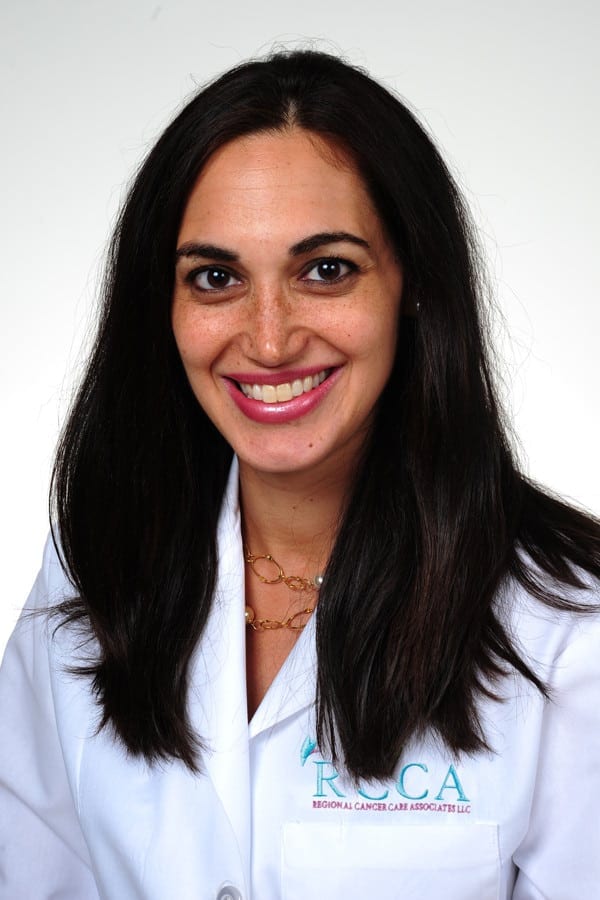
Portrait of Noa Biran, MD
“Early identification of cancer remains one of the key factors in our ability to provide patients with the best possible outcomes. This makes the CBC and regular wellness exam invaluable because they enable us to make a diagnosis and intervene even before a person is experiencing symptoms.”

 - Noa Biran, MD
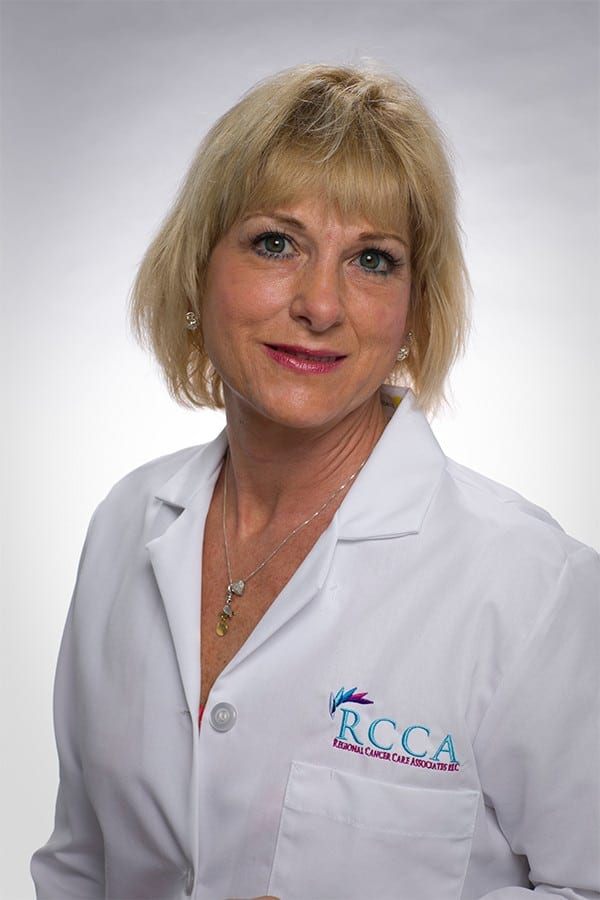
Portrait of Julianne W. Childs, DO
“An abnormal CBC result is not a reason to think that you have cancer. Rather, it is reason to talk with your primary care physician or other provider, express any questions or concerns you may have, and then make a plan together.” Julianne W. Childs, DO

Cause for Communication, Not Consternation

Dr. Childs says, “I realize that the list of cancers associated with different CBC results can be daunting to read. However, I want to reiterate the point made by Dr. Biran: an abnormal CBC result is not a reason to think that you have cancer. Rather, it is reason to talk with your primary care physician or other provider. Many people will have CBC values that are outside of what we define as ‘normal limits.’ This can reflect everything from your genetics or the medications you are taking to a recent virus. The key is to communicate with your doctor, express any questions or concerns you may have, and then make a plan together, understanding that in the absence of symptoms or other concerning findings, the best plan may be ongoing monitoring.”

Dr. Biran adds, “Advances in targeted therapy, immunotherapy, and the other cutting-edge treatments and clinical trials we offer here at RCCA mean that people dealing with all stages of cancer have greater reason for hope than ever before. However, early identification of cancer remains one of the key factors in our ability to provide patients with the best possible outcomes. This makes the CBC and regular wellness exam invaluable because they enable us to make a diagnosis and intervene even before a person is experiencing symptoms. So, please, protect your health by seeing your physician regularly and having assessments such as the CBC that can provide you with peace of mind and, potentially, even save your life.”

Find Outstanding Cancer Care Near You in New Jersey, Connecticut, Massachusetts, and the Washington, D.C. Area

Dr. Biran and Dr. Childs are among 90+ medical oncologists and hematologists who practice with Regional Cancer Care Associates (RCCA), one of the nation’s largest networks of oncology specialists. RCCA has more than 20 locations near you across New Jersey, Connecticut, Massachusetts, and the Washington, D.C., area. RCCA’s cancer specialists see more than 30,000 new patients each year and provide care to more than 265,000 established patients, collaborating closely with those patients’ other physicians. RCCA physicians offer patients innovative therapies, including immunotherapies and targeted therapy, as well as access to approximately 300 clinical trials. In addition to serving patients who have solid tumors, blood-based cancers, and benign blood disorders, RCCA care centers also provide infusion services to people with a number of non-oncologic conditions—including multiple sclerosisCrohn’s diseaseasthma, iron-deficiency anemia, and rheumatoid arthritis—who take intravenously-administered medications.

To learn more about RCCA, call 844-346-7222 or contact RCCA.

we are here for you

For more information or to schedule an appointment,
call 844-346-7222. You can also schedule an appointment by calling the RCCA location nearest you.

RELATED ARTICLES

Regional Cancer Care Associates is one of fewer than 200 medical practices in the country selected to participate in the Oncology Care Model (OCM); a recent Medicare initiative aimed at improving care coordination and access to and quality of care for Medicare beneficiaries undergoing chemotherapy treatment.