Deciding Where to Receive Cancer Care: RCCA Oncologists Outline Key 5 Considerations
“My uncle’s neighbor was diagnosed with the exact same cancer, I think, last year and his specialist has been wonderful. I’m going to get you
HIPAA Alert: Potential Data Breach Learn More
Questions on Oncology, Hematology and/or Infusion Clinical Services due to COVID-19 Crisis – CALL 833-698-1623
Important Information for Our Patients Regarding the Coronavirus.
RCCA Providing Area Cancer Patients with Access to Care During Coronavirus Outbreak
RCCA Offering Patients Virtual Visits During Coronavirus Pandemic
You don’t smoke. You drink alcohol in moderation, if at all. You avoid processed meats and you dab on the sunscreen before you hit the beach. You’re on schedule in terms of screenings such as colonoscopy and mammography.
Congratulations! You are taking several important steps to protect yourself from cancer, ones that have been shown to make a real difference. That’s great news – and the news gets even better. Two board-certified medical oncologists with Regional Cancer Care Associates (RCCA) – one of the nation’s largest networks of oncology specialists, with more than 20 locations near you across New Jersey, Connecticut, Massachusetts, and the Washington, D.C., area – explain that in addition to keeping up the good work you’re already doing, you can reduce your risk of developing cancer even further by taking the four lesser-known steps outlined below.
“Check with your physician before launching into any new exercise regimen, and pace yourself when you’re starting out, but I hope that knowing you are reducing your chances of developing cancer will provide that much more motivation to string up your sneakers and get on the treadmill, sidewalk, pickleball court, or wherever else you like to move,” Dr. Aviles says.
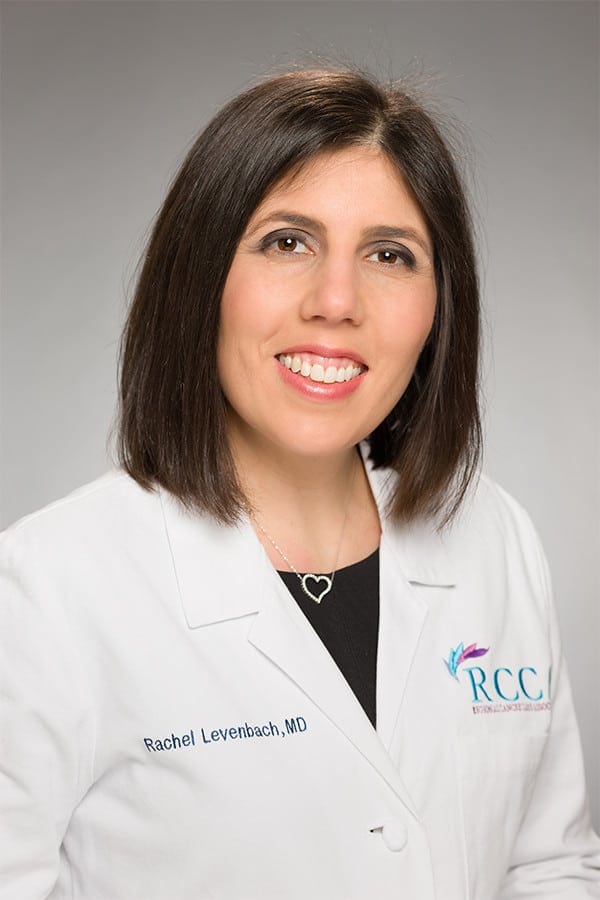
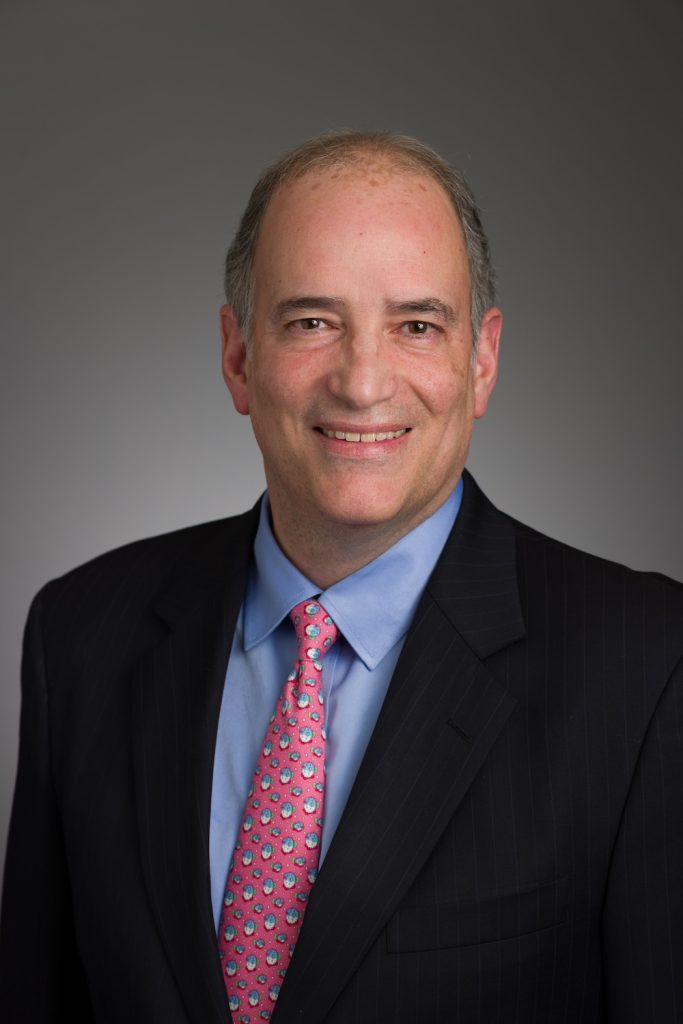
Dr. Aviles and Dr. Levenbach are among 100+ medical oncologists and hematologists who practice with Regional Cancer Care Associates (RCCA), one of the nation’s largest networks of oncology specialists. RCCA has more than 20 locations near you across New Jersey, Connecticut, Massachusetts, and the Washington, D.C., area. RCCA’s cancer specialists see more than 30,000 new patients each year and provide care to more than 265,000 established patients, collaborating closely with those patients’ other physicians. RCCA physicians offer patients innovative therapies, including immunotherapies and targeted therapy, as well as access to approximately 300 clinical trials. In addition to serving patients who have solid tumors, blood-based cancers, and benign blood disorders, RCCA care centers also provide infusion services to people with a number of non-oncologic conditions—including multiple sclerosis, Crohn’s disease, asthma, iron-deficiency anemia, and rheumatoid arthritis—who take intravenously-administered medications.
To learn more about RCCA, call 844-346-7222 or contact RCCA.
References
The American Academy of Dermatology recommends that people assess any moles on their body for the following five indicators of potential melanoma, and that they seek medical attention promptly if they notice one or more of the concerning features:
For more information or to schedule an appointment,
call 844-346-7222. You can also schedule an appointment by calling the RCCA location nearest you.

“My uncle’s neighbor was diagnosed with the exact same cancer, I think, last year and his specialist has been wonderful. I’m going to get you

“What happens next?” “Where should I go for treatment?” They are questions physicians often hear after informing a patient that they have identified confirmed or

“You’re going to feel a little pinch.” Each year, tens of millions of Americans hear that phrase, or words to the same effect, just before
Regional Cancer Care Associates is one of fewer than 200 medical practices in the country selected to participate in the Oncology Care Model (OCM); a recent Medicare initiative aimed at improving care coordination and access to and quality of care for Medicare beneficiaries undergoing chemotherapy treatment.