HIPAA Alert: Potential Data Breach Learn More

GERD and Esophageal Cancer Risk: 2 RCCA Oncologists
Discuss What to Know – and What to Do


Living with gastroesophageal reflux disease, or GERD, can mean living with worries. Will the limited-choice menu at that important business dinner have something ‘safe’ for me to eat? Is this chest pain that has me up at 3 a.m. just a bad episode of reflux or could it be a cardiac issue? And will the long-term effects of GERD increase my risk for developing cancer of the esophagus?

Two medical oncologists with Regional Cancer Care Associates (RCCA), one of the nation’s largest networks of oncology specialists serving patients in New Jersey, Connecticut, Massachusetts, and the Washington, D.C., area, addressed that last question in a recent interview.

Jumana Chatiwala, MD, said, “About 70% of people with GERD have the non-erosive form of the condition. This means that even though they have chronic acid reflux, there are no visible erosions, ulcers, or inflammation when a physician examines their esophagus – the tube that connects the throat to the stomach – during an upper endoscopy procedure. People with non-erosive GERD have a risk of esophageal cancer that is the same as or only slightly higher than that of the general population. However, esophageal cancer risk is modestly elevated in the 30% or so of people who have the less-common form of GERD – erosive esophagitis. And the risk is increased further in people who progress from GERD to a condition called Barrett’s esophagus, in which the lining of the esophagus becomes damaged by long-term acid reflux. Even in those cases, however, the great majority of people with erosive esophagitis or Barrett’s esophagus will not develop esophageal cancer, which is fairly uncommon in the United States.”

Joel Silver, MD, a board-certified medical oncologist and hematologist who practices at RCCA’s West Hartford, CT, office, noted that these differences in risk reflect the role that chronic inflammation plays in the development of cancer. “More than 160 years ago, a German pathologist named Rudolf Virchow noted the presence of white blood cells in cancerous tissues. Because white blood cells are a component of the inflammatory response that the immune system initiates to fight pathogens such as bacteria or viruses and to heal damaged tissue, Virchow theorized that some tumors may develop at sites of persistent inflammation and tissue damage. Subsequent decades have seen his theory validated and refined, with chronic inflammation and tissue damage in the colon, cervix, and esophagus, among other sites, now known to increase cancer risk. This explains why risk is elevated when there is erosion or ulceration – forms of tissue damage and triggers for an inflammatory response – in the esophagus. It also is the reason for the increased risk associated with Barrett’s esophagus, in which the flat pink lining of the esophagus thickens and becomes red due to sustained damage from acid reflux,” he said.

Esophageal Cancer: What to Know

Dr. Silver explained that erosive esophagitis and Barrett’s esophagus are only two of several risk factors for cancer of the esophagus. He said, “Other risk factors include drinking alcohol, tobacco use, excess body weight, certain inherited conditions, being older, and being male. In terms of those last two, the average age at diagnosis is 69 years, and the lifetime risk in the US is about 1 in 132 for men versus 1 in 437 for women.”

The oncologist said that esophageal cancer makes up about 1% of cancers diagnosed in the US each year and added that the American Cancer Society estimates 22,530 new cases and 16,290 deaths from the disease nationwide this year.

Signs and Symptoms of Esophageal Cancer

The signs and symptoms of esophageal cancer include heartburn, hoarseness, chronic cough, trouble swallowing, weight loss, and vomiting after eating. “Many of these potential indicators of esophageal cancer, such as chronic cough or weight loss, are what doctors call ‘non-specific’ symptoms. That means they can be attributable to a wide variety of conditions, some relatively minor and others quite serious,” said Dr. Silver. The oncologist added that it is important to see a physician promptly for evaluation of such symptoms so that their cause can be identified and treated.

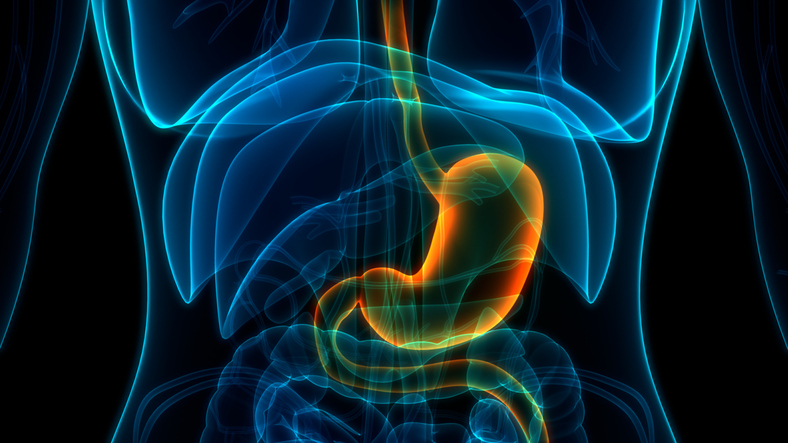
Illustration of human digestive system
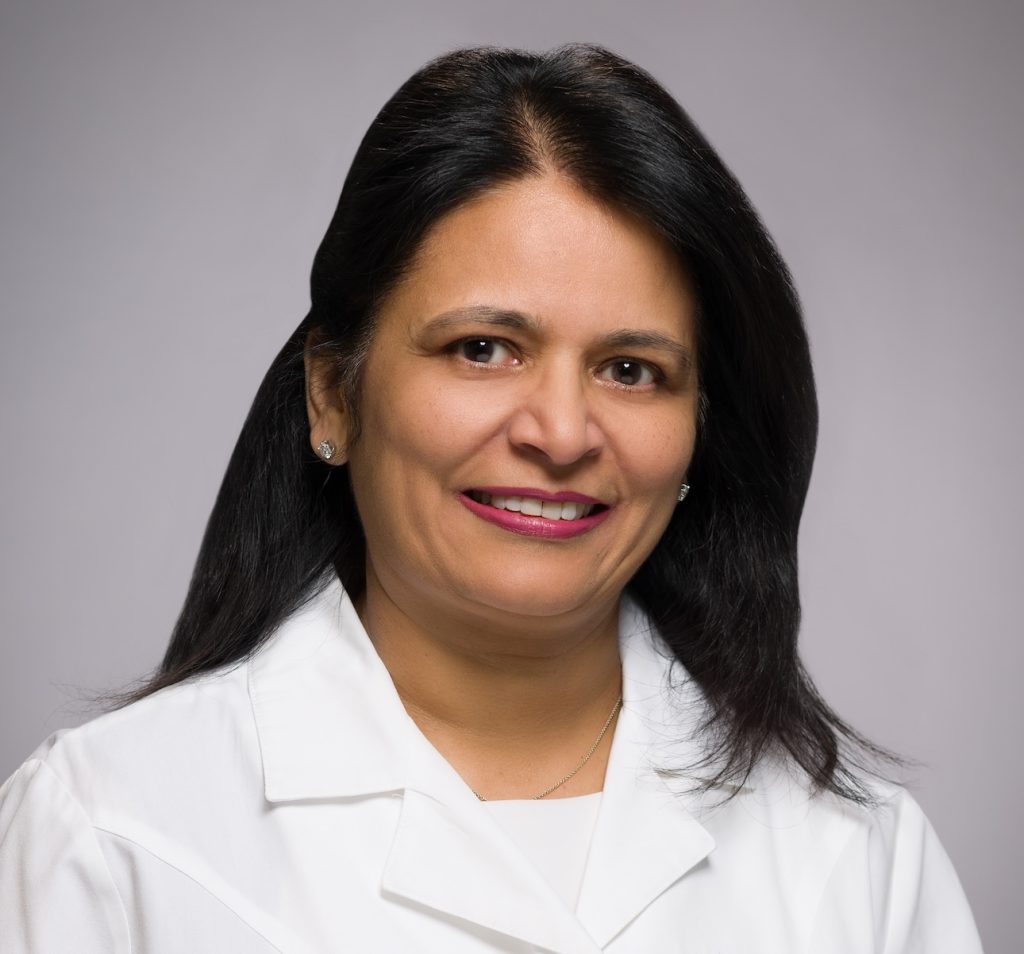
Dr. Jumana Chatiwala Of Regional Cancer Care Associates
“Avoiding tobacco, abstaining from or limiting alcohol use, and pursuing a healthy weight reduce your risk for erosive esophagitis, Barrett’s esophagus, and esophageal cancer, as well as for cancer and cardiovascular disease overall.”

 - Jumana Chatiwala, MD
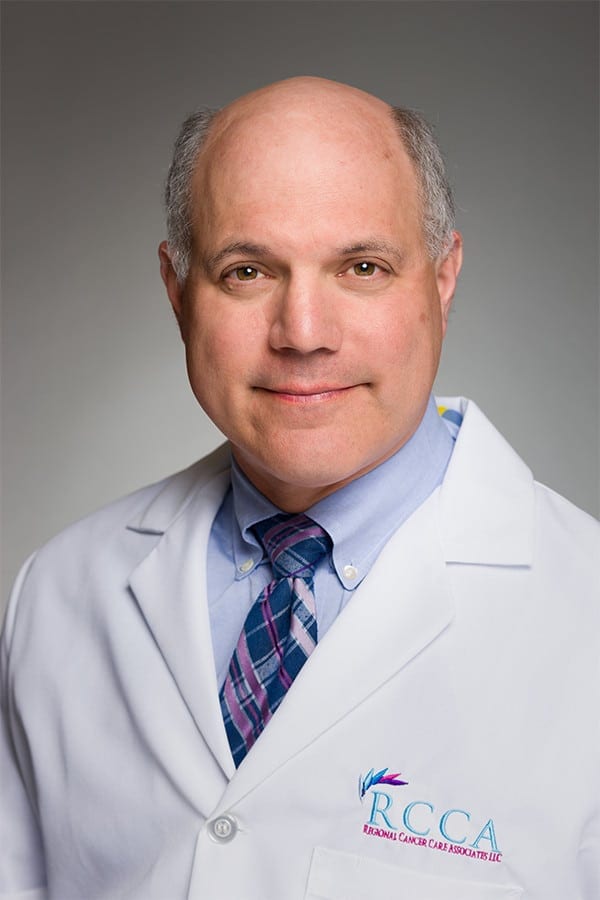
Portrait of Joel Silver, MD
“Cancer risk is elevated when there is erosion or ulceration – forms of tissue damage and triggers for an inflammatory response – in the esophagus.”
 Joel Silver, MD

Esophageal Cancer: What to Do

Dr. Chatiwala, a board-certified medical oncologist and hematologist who practices at RCCA’s Sparta, NJ, office, said that beyond seeing a doctor to investigate persistent symptoms, adopting several lifestyle changes can help reduce the risks for erosive esophagitis, Barrett’s esophagus, and – ultimately – esophageal cancer. “Avoiding tobacco, abstaining from or limiting alcohol use, and pursuing a healthy weight can cut your chances for developing those conditions, as well as for cancer and cardiovascular disease overall,” she said. She added that obtaining medical treatment for GERD or Barrett’s esophagus is also important and can improve quality of life as well as health.

The medical oncologist said, “It is important for people at elevated risk for esophageal cancer to make the changes needed to reduce that risk. From 2015 to 2021, the latest period for which we have comprehensive data, the 5-year relative survival rate for localized esophageal cancer was only 49% and the combined rate for all stages of the disease – localized, regional, and distant – was just 22%. We have made significant progress since then in how we employ surgery, radiation therapy, chemotherapy, immunotherapy, and targeted therapies to treat the disease, but we are still not where we need to be. At RCCA, we offer patients facing esophageal cancer the latest in cutting-edge, evidence-based therapies, as well as access to clinical trials, but prevention remains – and always will remain – the preferred approach.”

Find Expert Care for Esophageal Cancer Near You in NJ, CT, MA, and the Washington, D.C., Area

Dr. Chatiwala and Dr. Silver are among 90+ medical oncologists and hematologists who practice with Regional Cancer Care Associates (RCCA), one of the nation’s largest networks of oncology specialists. RCCA has more than 20 locations near you across New Jersey, Connecticut, Massachusetts, and the Washington, D.C., area. RCCA’s cancer specialists see more than 30,000 new patients each year and provide care to more than 265,000 established patients, collaborating closely with those patients’ other physicians. RCCA physicians offer patients innovative therapies, including immunotherapies and targeted therapy, as well as access to approximately 300 clinical trials. In addition to serving patients who have solid tumors, blood-based cancers, and benign blood disorders, RCCA care centers also provide infusion services to people with a number of non-oncologic conditions—including multiple sclerosisCrohn’s diseaseasthma, iron-deficiency anemia, and rheumatoid arthritis—who take intravenously-administered medications.

To learn more about RCCA, call 844-346-7222 or contact us today.

References

Esophageal Cancer: 10 Fast Facts

  • Risk factors (partial list): Barrett’s esophagus/Gastroesophageal reflux disease (GERD), older age, male sex, tobacco use, alcohol use, excess body weight, certain inherited syndromes
  • Symptoms: Heartburn, trouble swallowing, hoarseness, chronic cough, weight loss, vomiting after eating. (Note: These symptoms may be indicative of a wide variety of conditions, not just esophageal cancer, and warrant prompt medical evaluation)
  • Average age at diagnosis in US: 69 years
  • Estimated number of new cases in 2026: 22,530
  • Lifetime risk in US men: 1 in 132
  • Lifetime risk in US women: 1 in 437
  • Percentage of all cancers diagnosed US annually: 1%
  • Estimated number of deaths in 2026: 16,290
  • Five-year relative survival rate, 2015-2021: 22%
  • Treatment modalities: Surgery, radiation therapy, chemotherapy, immunotherapy, targeted therapy, clinical trials.

Source: American Cancer Society. Esophageal Cancer. Available at https://www.cancer.org/cancer/types/esophagus-cancer.html. Accessed May 30, 2026.

we are here for you

For more information or to schedule an appointment,
call 844-346-7222. You can also schedule an appointment by calling the RCCA location nearest you.

RELATED ARTICLES

Regional Cancer Care Associates is one of fewer than 200 medical practices in the country selected to participate in the Oncology Care Model (OCM); a recent Medicare initiative aimed at improving care coordination and access to and quality of care for Medicare beneficiaries undergoing chemotherapy treatment.