RCCA Oncologists Address 3 Misconceptions that Keep Cancer Patients from Joining Clinical Studies
The recently approved therapies target dozens of different cancers and work in a wide variety of ways
HIPAA Alert: Potential Data Breach Learn More
Questions on Oncology, Hematology and/or Infusion Clinical Services due to COVID-19 Crisis – CALL 833-698-1623
Important Information for Our Patients Regarding the Coronavirus.
RCCA Providing Area Cancer Patients with Access to Care During Coronavirus Outbreak
RCCA Offering Patients Virtual Visits During Coronavirus Pandemic
Multiple myeloma (MM) is a blood cancer that begins in the plasma cells of the bone marrow. If you or a loved one has been diagnosed with multiple myeloma, comprehensive treatment is available at Regional Cancer Care Associates. As one of the nation’s largest networks of oncology specialists, RCCA provides cutting-edge therapies and care for multiple myeloma, along with treatment for other cancers and benign blood disorders, at more than 20 locations near you throughout New Jersey, Connecticut, Massachusetts, and the Washington, D.C., area. Learn more about multiple myeloma, its symptoms and stages, and the treatment options available.
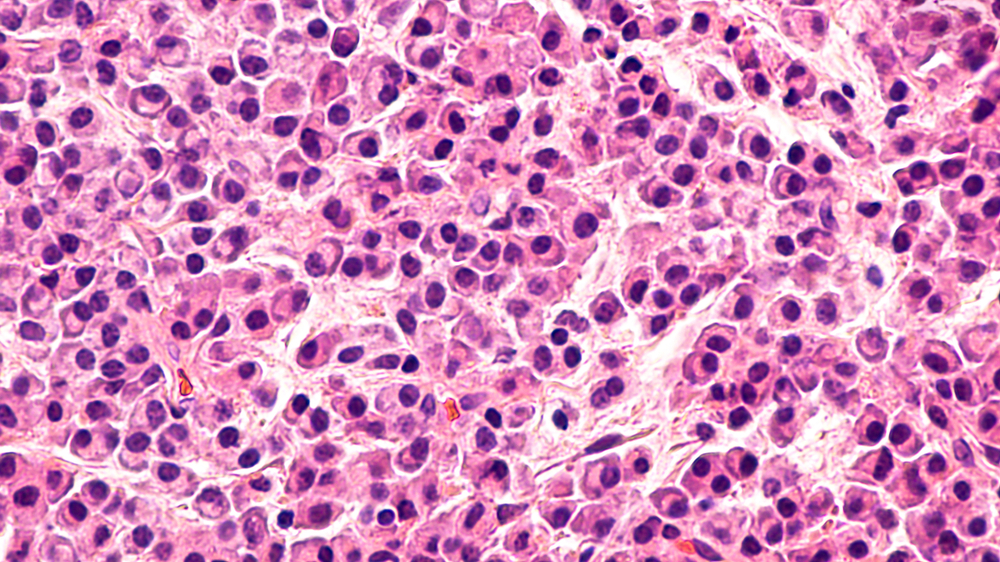
Multiple myeloma is a blood cancer that forms in plasma cells in the bone marrow. In healthy bone marrow, plasma cells create antibodies to protect the body from infection. In multiple myeloma, plasma cells transform into cancerous cells that grow uncontrollably, reducing the number of normal infection-fighting cells. The malignant plasma cells produce an abnormal protein called M protein, which damages organs and bones.
Multiple myeloma is rare, accounting for about 1.8% of all new cancer diagnoses. According to the American Cancer Society, the average lifetime risk of getting multiple myeloma is less than 1% for people living in the United States.
Multiple myeloma, leukemia, and lymphoma are all blood cancers, but they differ in important ways. Multiple myeloma impacts plasma cells in the bone marrow, while leukemia primarily affects white blood cells in the bone marrow and blood, and lymphoma affects lymphocytes in the lymphatic system.
Monoclonal gammopathy of undetermined significance (MGUS) and smoldering myeloma are precursor conditions to multiple myeloma. They occur before full-blown MM and may progress to MM. Both conditions are asymptomatic and do not require active treatment. In distinguishing these conditions from MM, hematologists consider factors including blood levels of M-protein and the number of abnormal plasma cells in the bone marrow.
Multiple myeloma causes cancerous plasma cells to grow inside the bone marrow, resulting in the gradual emergence of systemic symptoms. These symptoms can be vague in nature, and often are attributed to other causes, such as aging, arthritis, or muscle strain. However, as multiple myeloma progresses, more-definitive symptoms encompassed by the CRAB criteria appear. These include:
People often experience elevated calcium levels, a condition known as hypercalcemia. This occurs because the cancer activates osteoclasts, the cells that break down bone. Bone tissue is dissolved much faster than new bone can form, so it releases large amounts of stored calcium into the bloodstream.
Levels of serum calcium > 11 mg/dL or more than 1 mg/dL above normal are considered hypercalcemic. Hypercalcemia can result in various symptoms, including excessive thirst, frequent urination, constipation, and confusion.
Multiple myeloma can also lead to renal (kidney) impairment or failure. This is because myeloma proteins cause a toxic buildup of abnormal antibody fragments that clog the filtering units and poison kidney cells.
Kidney impairment is diagnosed when creatinine clearance tests are < 40 mL/min or serum creatinine is > 2 mg/dL. Symptoms of kidney involvement include:
Multiple myeloma can result in anemia, which is defined as a hemoglobin value < 10 g/dL. This can occur as abnormal plasma cells multiply and crowd the bone marrow, limiting the production of healthy red blood cells. Symptoms of anemia include fatigue, shortness of breath, pallor, weakness, dizziness, irregular heartbeat, and more.
Multiple myeloma can also cause bone damage, including bone lesions and resultant pain, because it disrupts the body’s natural bone-remodeling cycle. Bone problems caused by MM typically affect the back, hips, ribs, or skull.
To detect bone lesions and damage, imaging such as X-rays, computed tomography (CT) scans, and magnetic resonance imaging (MRI) scans are often used. They can identify osteolytic lesions, such as bone thinning or fractures, that occur with MM.
Along with the telltale CRAB symptoms, patients with multiple myeloma may experience other signs of the condition. They include:
A person must meet specific criteria to be diagnosed with multiple myeloma. He or she must:
The standard diagnostic workup for multiple myeloma typically includes:
Using the information gathered from these tests, a diagnosis of multiple myeloma can be confirmed or ruled out.
This information is used to inform treatment plans and to determine whether treatment should start immediately or if the cancer can be monitored for an initial period.
| Stage I | Stage II | Stage III | |
| Key Markers |
|
Levels are in between Stage I and Stage III markers |
|
| Median Survival |
62 months |
44 months |
29 months |
| Treatment Intensity | Depends on whether the disease is active or smoldering (asymptomatic) | Typically intensive, multi-drug therapies | Multi-step, aggressive approach |
The treatment of multiple myeloma is highly individualized. The approach chosen will depend on a variety of factors, including the stage of cancer, the patient’s overall health, and his or her symptoms. Options include:
First-line treatment (induction therapy) for newly diagnosed multiple myeloma typically involves a three-drug (triplet) or four-drug (quadruplet) combination. These drug regimens help reduce the tumor burden, reverse organ damage, and achieve the best outcomes possible. They also help to prepare eligible patients for an autologous stem cell transplant (ASCT). The drugs used for MM treatment include:
Proteasome inhibitors (PIs) target the overproduction of M proteins. There are three main PIs used in multiple myeloma treatment:
Common side effects of PIs include gastrointestinal upset, such as nausea and diarrhea; fatigue; lowered blood platelet counts; and potential neuropathy.
Immunomodulatory drugs (IMiDs) are pill-based therapies used to treat multiple myeloma. They target and attack tumor cells while also boosting the patient’s immune system to fight the cancer. IMiDs are also helpful for protecting bones from the weakening that MM can cause. They block the cells that break down bones and increase the cells that build new bone.
There are three main types of IMiDs used for MM:
Although IMiDs are very effective, patients need to be monitored for the side effects they can cause, including blood clots, low blood counts, and birth defects in pregnant women.
Monoclonal antibodies are lab-made proteins that imitate natural immune system defenses. To treat multiple myeloma, they target specific proteins on the surface of cancer cells to destroy them. They can either flag the cells so the immune system will attack the cancer, directly kill the cancer cells themselves, or boost the immune system to detect the cancer cells and strengthen infection-fighting cells. There are three main types of monoclonal antibodies used in MM treatment:
Side effects of these drugs include infusion reactions, such as fever or chills, low blood cell counts, fatigue, and infections.
After patients complete induction therapy, they may be eligible for an autologous stem cell transplant (ASCT). This process involves removing the patient’s healthy stem cells, administering a high dose of chemotherapy to destroy cancer cells, and reinfusing the patient’s healthy stem cells.
After the transplant, patients typically need maintenance therapy to control any remaining myeloma cells and extend remission. Although ASCT is not a cure for multiple myeloma, it is an effective tool for achieving deep remissions and prolonging progression-free survival.
If patients are experiencing relapsing or refractory multiple myeloma, CAR-T cell therapy may be used. It involves extracting T-cells – key components of the immune system — from the patient’s body, genetically modifying them to target the BCMA protein on myeloma cells, and reinfusing them into the patient’s body. Once they’re infused, these cells work to hunt down and attack cancer cells. There are two primary options for CAR-T cell therapy at this time:
CAR-T cell therapy causes a powerful immune response, so patients must be closely monitored for side effects, including cytokine release syndrome (CRS), neurologic toxicities, and cytopenias (low blood counts).
Bispecific antibodies are among the newest multiple myeloma therapies. They are a type of immunotherapy that attaches to two different targets, bringing them together. The first target is the protein BCMA or GPRC5D on the surface of myeloma cells. The second is theCD3 receptor on the patient’s T-cells. By bringing the cancer cell and the immune cell together, the T-cell is activated to destroy the tumor. These therapies are mostly used for patients with relapsed, refractory, or heavily pre-treated MM. They include:
The risks of bispecific antibodies include cytokine release syndrome (CRS), neurologic toxicities, and infections.
Drug Class | Example Drugs | Method of Administration | Key Side Effects |
Proteasome Inhibitors |
| Subcutaneous Injection, intravenous (IV) infusion, or oral pill |
|
Immunomodulatory Drugs (IMiDs) |
| Oral pill |
|
Monoclonal Antibodies |
| Intravenous infusion or subcutaneous injection |
|
CAR-T Cell Therapy |
| IV infusion |
|
Bispecific Antibodies |
| Intravenous infusion or subcutaneous injection |
|
A diagnosis of multiple myeloma can be overwhelming. Fortunately, high-quality treatment is available at Regional Cancer Care Associates (RCCA). We have an expert team of hematologist-oncologists with myeloma subspecialty experience, and we also provide access to clinical trials for multiple myeloma, including studies evaluating CAR-T cell therapy and bispecific antibodies. We have more than 20 locations near you across New Jersey, Connecticut, Massachusetts, and the Washington, D.C., area, providing convenient care close to home. To learn more about multiple myeloma treatment or to discuss clinical trial eligibility, contact us today.
What is multiple myeloma?
Multiple myeloma is a form of blood cancer that originates in the plasma cells in bone marrow. These plasma cells transform into cancerous cells that grow out of control and produce an abnormal protein called M protein, which leads to organ and bone damage.
Is multiple myeloma curable?
Multiple myeloma is considered incurable, but it is highly treatable.
What are the CRAB criteria for multiple myeloma?
The CRAB criteria for multiple myeloma refer to the symptoms that patients experience. Physicians look for these symptoms as part of the diagnostic process for MM. CRAB stands for:
What are the symptoms of multiple myeloma?
The symptoms of multiple myeloma include the CRAB criteria: calcium elevation, renal impairment, anemia, and bone damage. Symptoms can also include extreme fatigue, frequent infections, weakness, peripheral neuropathy, amyloidosis, and easy bleeding or bruising.
What is the difference between MGUS and multiple myeloma?
Monoclonal gammopathy of undetermined significance (MGUS) is a benign, asymptomatic precursor condition that does not cause organ damage. Multiple myeloma is a progressive, malignant blood cancer that causes damage to bones, kidneys, and blood cells. MGUS can turn into MM over time.
What are the treatment options for multiple myeloma?
The treatment options for multiple myeloma include a combination of targeted therapies, immunomodulators, corticosteroids, and monoclonal antibodies. For certain patients, autologous stem cell transplants are used.
What is CAR-T cell therapy for myeloma?
CAR-T cell therapy is an innovative form of immunotherapy that can be used to treat multiple myeloma. It harnesses the capabilities of the patient’s own immune system to train it to hunt down and destroy multiple myeloma cells.
Is multiple myeloma a bone cancer?
No, multiple myeloma is considered a blood cancer because it affects the plasma cells (a type of white blood cell) in the bone marrow, not the bone itself.
At Regional Cancer Care Associates (RCCA), we take a comprehensive, “whole-life” approach, treating you as a whole person — not just your disease. We treat your cancer in an individualized and medically advanced manner. At RCCA, you’ll be diagnosed, treated and cared for by nationally-recognized experts who are close to your home.
You can schedule an appointment or get more information by calling (844) 346-7222. You can also schedule an appointment by calling the RCCA location near you.

The recently approved therapies target dozens of different cancers and work in a wide variety of ways

Early detection is essential to breast cancer treatment. The sooner cancer is diagnosed, the easier it will be to treat and avoid long-term health consequences.

“My uncle’s neighbor was diagnosed with the exact same cancer, I think, last year and his specialist has been wonderful. I’m going to get you
When standard cancer treatments aren’t providing the results you want, clinical trials may offer hope. Our physicians use clinical trials to study new treatments, helping transform cancer care for the better. You can enroll in a clinical trial to try groundbreaking treatment plans at zero cost to you.
Regional Cancer Care Associates is one of fewer than 200 medical practices in the country selected to participate in the Oncology Care Model (OCM); a recent Medicare initiative aimed at improving care coordination and access to and quality of care for Medicare beneficiaries undergoing chemotherapy treatment.