What Is a Colonoscopy?
A colonoscopy is a key part of colon cancer detection. The term refers to a diagnostic procedure used to examine the interior of the rectum and colon, which make up most of the large intestine. It is used to check for colorectal cancer and polyps, or precancerous growths. Colonoscopies can detect cancer long before it starts causing noticeable symptoms. This enables an early start to treatment, giving people the best chance for a full cure.
What Is a Virtual Colonoscopy?
Virtual colonoscopy, also called CT colonography, is a type of non-invasive colonoscopy. Unlike traditional colonoscopies, which require physically inserting a tiny camera into the rectum, this test uses medical imaging. A radiologist uses advanced X-ray technology to take detailed cross-sectional images of the colon. The images can be examined for polyps or signs of cancer.
Pros and Cons of Virtual Colonoscopies
Everybody within a certain age bracket should receive routine colon cancer screening. The type of screening test used, however, is often up to the individual. Because virtual colonoscopy is external and non-invasive, it offers many advantages that may make it more appealing than other options.
Benefits of a Virtual Colonoscopy
The benefits of virtual colonoscopy include:
- No need for anesthesia or a sedative
- Faster tests fit more easily into a busy schedule
- Less discomfort than a traditional colonoscopy
Disadvantages of a Virtual Colonoscopy
Virtual colonoscopy does have its downsides, however. Because it is external, the test is more limited in its capabilities. This includes the following disadvantages:
- Tests must be performed more frequently
- Results may be less detailed than results from a traditional colonoscopy
- Polyp removal and biopsy cannot be performed
For these reasons, virtual colonoscopy is not a full replacement for traditional colonoscopy. If the test reveals polyps or suspicious tissue, a traditional colonoscopy is often required for a detailed analysis.
How Often Do I Need a Virtual Colonoscopy?
Cancer is a progressive disease. The longer it goes without detection and treatment, the more difficult it is to treat. For this reason, rather than wait for symptoms to appear, physicians rely on routine screening to detect cancer as soon as it appears.
The American Cancer Society (ACS) recommends that average-risk individuals begin colon cancer screening at age 45. The recommended frequency depends on the type of test used. For virtual colonoscopy, ACS encourages people to get screened every three years. Regular screenings should continue through age 75 and sometimes beyond, depending on the individual’s health history.
If an individual has any colon cancer risk factors, however, they may wish to start screening earlier or repeat tests more often. People can speak with their primary care physician about designing a personalized screening schedule.
Preparing for a Virtual Colonoscopy
Before a virtual colonoscopy, individuals are provided with instructions for a bowel prep. This ensures that the colon is empty and clean so X-rays can capture clear images. The instructions should be read several days ahead of time. If there is any confusion, the individual should not hesitate to ask questions and make sure they understand and can perform all the steps correctly. Steps for bowel prep may include:
- Avoiding high-fiber foods for several days before testing
- Following a clear liquid diet for a day or more before testing
- Avoiding all food and drink after a certain time of night before testing
- Using large amounts of liquid, powder, or pill laxatives to clear the bowels
- Performing an enema to cleanse the rectum
- Swallowing a contrast dye, which coats the inside of the colon for clear imaging
In addition, people should speak with the doctor about any prescription medications they are on. They may need to stop certain medications before the procedure to prevent complications.
What to Expect from a Virtual Colonoscopy Procedure
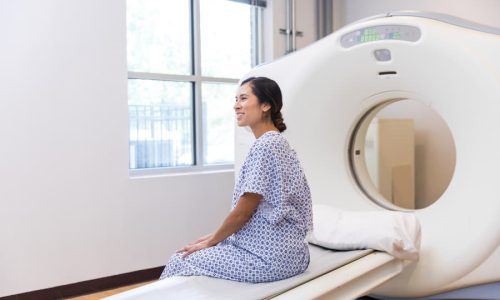
On the day of a virtual colonoscopy, the individual is asked to remove their clothing and put on a hospital gown. They are then taken to a special testing room with a CT (computed tomography) scanner. This is a medical machine that resembles a large cylinder. The test then follows these steps:
- The person lies face down on a medical table.
- The radiologist inserts a thin tube through the anus and into the rectum. The tube inflates the colon with air to provide a better view of its interior.
- The table slowly moves into the cylindrical CT scanner device.
- Parts of the CT scanner may rotate around the individual. The scanner may also make a whirring or buzzing noise as it takes X-ray pictures of the colon.
- The individual may be asked to hold their breath or change positions during scanning.
- The table moves slowly out of the CT scanner.
The entire test takes about 15 minutes to complete. It does not hurt, though the individual may feel cramps or bloating caused by the air inflation. The individual can go home immediately after the procedure, at which point they can return to their normal diet and activities.
After a Virtual Colonoscopy
After a virtual colonoscopy, the radiologist will examine the CT scan images for indicators of cancer. The final report is sent to the individual’s primary care physician. The report may take a few days to arrive. The next steps depend on the results of the virtual colonoscopy:
Negative
If the test is clear and there is no sign of cancer, it is marked negative. No further action is needed. The person can return to normal life with the peace of mind that they do not have colorectal cancer.
Positive for Polyps
Virtual colonoscopy may identify precancerous polyps. These are a type of benign and mostly harmless growth on the inside of the colon. While polyps are not cancerous, they can turn into cancer under certain circumstances. The physician may request a traditional colonoscopy to remove the polyps to reduce the person’s cancer risk.
Suspicious Findings
If the virtual colonoscopy is unclear or if it reveals any suspicious tissue or mass, then further testing is required to determine the cause. This may include another virtual colonoscopy or a traditional colonoscopy, during which a biopsy may be taken. This final step will conclusively prove whether cancer is or is not present.
Find Expert Colon Cancer Care Near You in NJ, CT, MA, and the Washington, D.C., Area
Though colon cancer screening may be uncomfortable, early detection is the best way to ensure a successful treatment. Regional Cancer Care Associates specialists provide care to more than 30,000 new patients and 265,000 established patients each year. RCCA physicians offer patients innovative therapies, including immunotherapies and targeted therapy, cutting-edge diagnostics as well as access to approximately 300 clinical trials in community-based centers close to home.