HIPAA Alert: Potential Data Breach Learn More

Search
Close this search box.

Rising Colorectal Cancer Rates in Younger Adults: RCCA Oncologists Share 3 Ways to Cut Your Risk


The February 11 announcement that actor James Van Der Beek had died at age 48 highlighted a troubling trend – the increasing rates of colon cancer and rectal cancer diagnoses and deaths among people younger than 50 years old.

“Overall, new cases of colorectal cancer (CRC) and deaths from the disease have been declining for several years in the United States, but the situation in people age 49 or younger is running counter to that general trend,” says Robert F. Tassan, MD, a board-certified medical oncologist and hematologist with Regional Cancer Care Associates (RCCA). RCCA is one of the nation’s largest networks of oncology specialists, with more than 20 locations near you across New Jersey, Connecticut, Massachusetts, and the Washington, D.C., area.

“Since 2011, new cases of the disease have been rising about by about 2% each year in people under age 50.1 Meanwhile, from 2004 to 2023, the rate of deaths caused by colorectal cancer rose by an average of 1.3% a year for men and by 0.8% for women,”2 explains Dr. Tassan, who practices in RCCA’s Westwood, NJ offices.

The oncologist continues, “The American Cancer Society estimates that 55,230 people across the United States will lose their lives to colorectal cancer in 2026.3 While about 87% of those deaths will occur in people aged 55 and older, more than 7,000 of those losses will involve younger people, such as Mr. Van Der Beek.”4

3 Effective Ways to Reduce Your Colorectal Cancer Risk

Gurpreet S. Lamba, MD, a board-certified medical oncologist and hematologist who practices in RCCA’s Freehold and Toms River, NJ, offices, adds that the reasons for increased CRC diagnoses and deaths in younger adults are not entirely understood but are the focus of intensive research.

“Several potential causes have been proposed, including lifestyle and environmental changes over the past few decades, such as higher rates of obesity, processed food intake, sedentary habits, and possibly changes in the gut microbiome. Most cases are not hereditary, and many occur in people without a strong family history. Because it has traditionally been considered a disease of older adults, symptoms in younger people may sometimes be recognized later, which can affect outcomes. We have a great deal more to learn about the factors involved and how they interact in people in this age group,” Dr. Lamba explains. He adds, “While it is essential that we identify the causes driving this trend, people don’t need to await those answers to take three important steps to protect their health.”

Lifestyle Habits to Reduce Colorectal Cancer Risk

The cancer specialist explains that the first of those steps is to adopt lifestyle habits that reduce the risk of developing CRC. “The American Cancer Society notes that regular physical activity reduces the risk of colon cancer by roughly 30%,1 while studies suggest that maintaining a healthy weight, limiting alcohol consumption, avoiding tobacco, and eating a diet low in animal fats and high in fruits, vegetables, and whole grains also can help.5 Other evidence indicates that consuming about 400 grams a day of dairy products can cut risk by 10%,”1 Dr. Lamba notes.

Know the Signs of Colorectal Cancer

Knowing the potential signs and symptoms of CRC also is critical, Dr. Lamba says. He adds that potential indicators of colorectal cancer include:

  • Diarrhea, constipation, or narrowing of the stool that lasts for more than a few days
  • A feeling of needing to have a bowel movement that is not relieved by having one
  • Rectal bleeding with bright red blood
  • Blood in the stool, which may make the stool look dark brown or black
  • Cramping or abdominal (belly) pain6

“It’s important to note that a change in bowel habits or one of these other signs could be caused by any number of conditions, most of which are benign. So, if you experience one of these symptoms, it is not reason to panic, but it is reason to see your doctor without delay so that you can identify and address whatever is causing the issue,” Dr. Lamba says.

Colorectal Cancer Screenings

The medical oncologist notes that the third step people can take to reduce their risk of developing colorectal cancer is particularly important but often under-utilized. “Colonoscopy enables gastroenterologists to identify and remove precancerous polyps before those growths become malignant. Studies involving tens of thousands of patients have shown that the procedure has an extremely low rate of adverse effects and can reduce risk for colon cancer by 31% to 49% or even more,” he says.7,8

Dr. Lamba adds, “The American Cancer Society and United States Preventive Services Taks Force recommend that people at average risk for colorectal cancer begin regular screening at age 45.9,10 I really urge people to follow those guidelines and start screening at that age if you are at average risk for CRC. However, if you are at elevated risk because of a strong family history of colorectal cancer or some other factor, you should talk with your physician about start screening earlier.”

Illustration of large intestine
Actor James Van Der Beek
Source: Super Festivals, licensed under Creative Commons Attribution 2.0 Generic license.
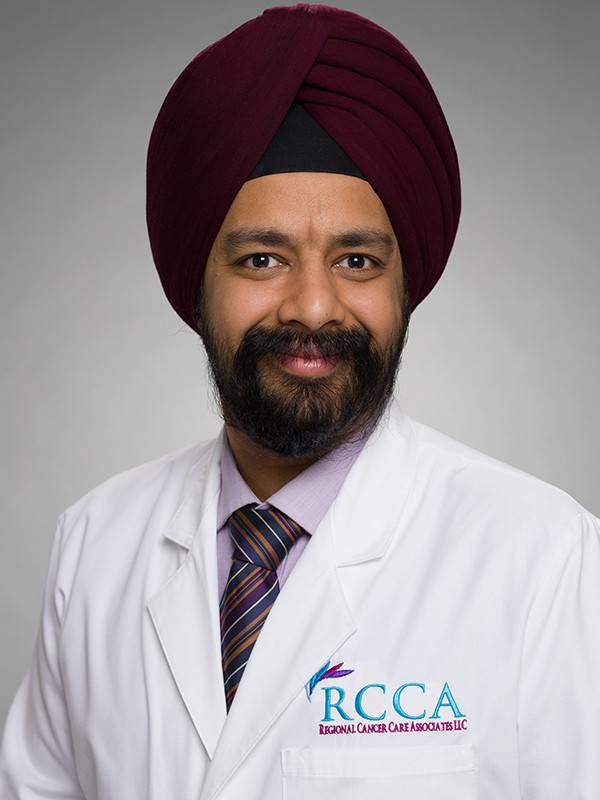
Portrait of Gurpreet S. Lamba, MD
“Regular physical activity reduces the risk of colon cancer by roughly 30%, while studies suggest that maintaining a healthy weight, limiting alcohol consumption, avoiding tobacco, and eating a diet low in animal fats and high in fruits, vegetables, and whole grains also can help.”
 - Gurpreet S. Lamba, MD
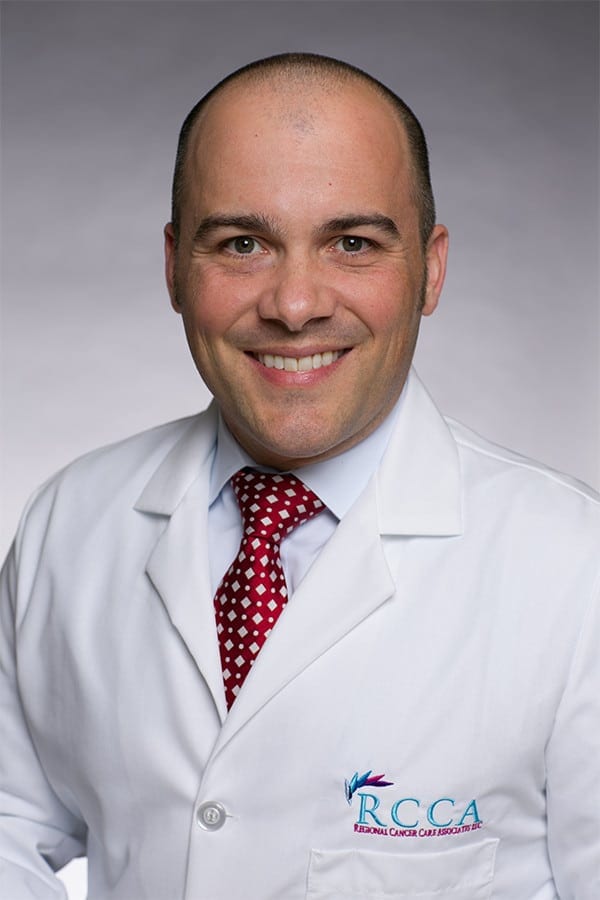
Portrait of Robert F. Tassan, MD
“Recent years have seen tremendous advances in our ability to treat colorectal cancer across all stages of the disease, but we continue to achieve the best outcomes when the cancer is found early.” Robert F. Tassan, MD

More Colorectal Cancer Treatment Options Offer Hope

Dr. Tassan echoes Dr. Lamba’s comments about the importance of starting screening at age 45, or younger, if indicated.

“Recent years have seen tremendous advances in our ability to treat colorectal cancer across all stages of the disease, but we continue to achieve the best outcomes when the cancer is found early. The 5-year relative survival rate for localized disease is 91%, as compared to 63% for all stages combined.11 With early, localized disease, our goal is cure, while the focus when colorectal cancer has spread to distant parts of the body shifts to prolonging life while maintaining a good quality of life.”

The medical oncologist adds that immunotherapies that harness the power of the patient’s own immune system, targeted therapies that act specifically against genetic mutations or biological processes driving cancer growth, and other innovative therapies have transformed the management of both early and advanced colorectal cancer.

“At RCCA, our mission is to make these cutting-edge therapies, as well as clinical trials, available to people in a community-based setting. I am very proud of our ability to provide the latest treatments and comprehensive, compassionate care to people at convenient locations near their homes,” the physician says.

Dr. Tassan adds, “This year, it is estimated that more than 158,000 people across the United States will learn that they have colorectal cancer. That total includes roughly 4,500 people here in New Jersey, where I practice, and – nationwide – more than 16,000 people age 45 or younger.3 As someone who has cared for thousands of patients over the years, I know that learning that you have cancer can be cause for considerable anxiety. But I want you to know that, regardless of where you live or how old you are, there also has never been greater cause for hope that your cancer can be treated effectively. So, absolutely, adopt the healthy habits and follow the screening recommendations that can help you reduce your risk, but if – unfortunately – you or someone you love should receive a diagnosis of colorectal cancer, know that there is reason to be encouraged and that we are here for you.”

Find Expert Colorectal Cancer Care Near You in New Jersey, Connecticut, Massachusetts, and the Washington, D.C., Area

Dr. Lamba and Dr. Tassan are among 90+ medical oncologists and hematologists who practice with Regional Cancer Care Associates (RCCA), one of the nation’s largest networks of oncology specialists. RCCA has more than 20 locations near you across New Jersey, Connecticut, Massachusetts, and the Washington, D.C., area. RCCA’s cancer specialists see more than 30,000 new patients each year and provide care to more than 265,000 established patients, collaborating closely with those patients’ other physicians. RCCA physicians offer patients innovative therapies, including immunotherapies and targeted therapy, as well as access to approximately 300 clinical trials. In addition to serving patients who have solid tumors, blood-based cancers, and benign blood disorders, RCCA care centers also provide infusion services to people with a number of non-oncologic conditions—including multiple sclerosisCrohn’s diseaseasthma, iron-deficiency anemia, and rheumatoid arthritis—who take intravenously-administered medications.

To learn more about RCCA, call 844-346-7222 or contact RCCA.

References

  1. American Cancer Society. Colorectal Cancer Facts & Figures 2023-2025.
  2. Siegel RL, Wagle NS, Jemal A. Leading cancer deaths in people younger than 50 years JAMA. 2026;335(7):632-634.
  3. American Cancer Society. Cancer Facts & Figures 2026.
  4. National Cancer Institute. Cancer Stat Facts: Colorectal Cancer. Available at https://seer.cancer.gov/statfacts/html/colorect.html. Accessed February 22, 2026.
  5. Centers for Disease Control and Prevention. Reducing Risk for Colorectal Cancer. Available at https://www.cdc.gov/colorectal-cancer/prevention/index.html. Accessed February 22, 2026.
  6. American Cancer Society. Colorectal Cancer Signs and Symptoms. Available at https://www.cancer.org/cancer/types/colon-rectal-cancer/detection-diagnosis-staging/signs-and-symptoms.html. Accessed February 22, 2026.
  7. Bretthauer M, Loberg M, Wieszczy, et al. Effect of colonoscopy screening on risks of colorectal cancer and related death. N Engl J Med. 2022;387:1547-56.
  8. Knudsen MD, Wang K, Wang L. Colorectal cancer incidence and mortality after negative colonoscopy screening results. JAMA Oncol. 2025;11;(1):46-54. doi:10.1001/jamaoncol.2024.5227.
  9. American Cancer Society. Colorectal cancer screening guidelines. Available at https://www.cancer.org/health-care-professionals/american-cancer-society-prevention-early-detection-guidelines/colorectal-cancer-screening-guidelines.html. Accessed February 22, 2026.
  10. United States Preventive Services Task Force. Final Recommendation Statement. Colorectal Cancer: Screening. May 18, 2021. Available at https://www.uspreventiveservicestaskforce.org/uspstf/recommendation/colorectal-cancer-screening. Accessed February 22, 2026.
  11. American Cancer Society. Survival rates for colorectal cancer. Available at https://www.cancer.org/cancer/types/colon-rectal-cancer/detection-diagnosis-staging/survival-rates.html. Accessed February 22, 2026.

Colorectal Cancer in Younger Adults: A Statistical Snapshot

  • 158,850 – estimated number of total new cases in the U.S. in 20261
  • 23% – percentage of new cases occurring in people aged 54 and younger2
  • 2% – average annual increase in new cases in people under age 503
  • 55,230 – estimated total number of deaths from CRC in the U.S. in 20261
  • 12.7% – percentage of deaths from CRC occurring in people aged 54 and younger2
  • 1.3% – average annual increase in rate of deaths caused by CRC in men from 2004 to 20234
  • 0.8% – average annual increase in rate of deaths caused by CRC in women from 2004 to 20234


References:

  1. American Cancer Society. Cancer Facts & Figures 2026.
  2. National Cancer Institute. Cancer Stat Facts: Colorectal Cancer. Available at https://seer.cancer.gov/statfacts/html/colorect.html. Accessed February 22, 2026.

  3. American Cancer Society. Colorectal Cancer Facts & Figures 2023-2025.
  4. Siegel RL, Wagle NS, Jemal A. Leading cancer deaths in people younger than 50 years JAMA. 2026;335(7):632-634.

we are here for you

For more information or to schedule an appointment,
call 844-346-7222. You can also schedule an appointment by calling the RCCA location nearest you.

RELATED ARTICLES

Regional Cancer Care Associates is one of fewer than 200 medical practices in the country selected to participate in the Oncology Care Model (OCM); a recent Medicare initiative aimed at improving care coordination and access to and quality of care for Medicare beneficiaries undergoing chemotherapy treatment.