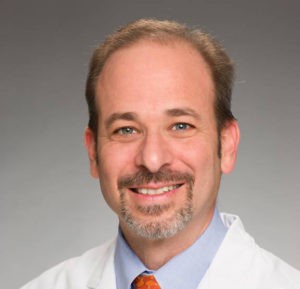
Regional Cancer Care Associates Names Seth Berk, MD, as Board of Directors Chairperson
Regional Cancer Care Associates Names Seth Berk, MD, as Board of Directors Chairperson Regional Cancer Care Associates (RCCA) is pleased to announce it has named
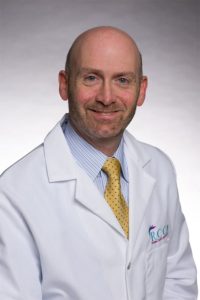
Dr. Alter: Certainly. The thyroid is a butterfly-shaped gland in the neck that produces hormones that regulate metabolism and growth. Benign, or non-cancerous, diseases of the thyroid are relatively common. Those conditions typically entail the gland not producing sufficient amounts of certain hormones, which we call underactive thyroid, or making excessive amount of hormones, which is known as overactive thyroid. Because the gland plays a key role in controlling metabolism, underactive thyroid can contribute to a wide range of issues, including fatigue, depression, weight gain, dry skin, and feeling cold, while overactive thyroid can cause a rapid heart rate, nervousness, irritability, and unintended weight loss.
Beyond those benign conditions, however, there also are several types of thyroid cancer.4 More than 90% of cases fall into a category that we call differentiated cancers. Papillary thyroid cancer is the most common type within this category, accounting for about 80% of all thyroid cancer cases, while follicular thyroid cancer is responsible for roughly 10% of thyroid cancer globally, although it is seen less often in the United States. Oncolytic carcinoma of the thyroid is the last type of differentiated thyroid cancer and represents about 3% of cases. In addition to those differentiated cancers, there also are infrequently seen forms of the disease, such as medullary thyroid cancer, which accounts for about 5% of cases, and anaplastic thyroid cancer.
These different types of thyroid cancer vary significantly in terms of their biology and how quickly they grow. As a result, we employ a wide range of approaches in caring for the roughly 44,000 people in the United States who are diagnosed with thyroid cancer each year.1 We tailor our treatment plans based on the type of cancer involved and on factors such as the presence of any mutations that we can target with approved therapies, patient age and overall health, and other considerations.
The bottom line: We have a number of effective ways to treat thyroid cancer, and we often combine two or more approaches – surgery, medication, and radiation – in pursuing the best results possible.
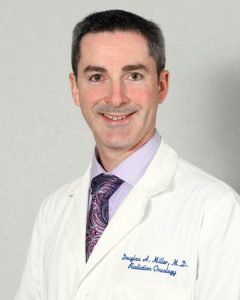
Dr. Miller: Common symptoms include a lump in the front of the neck or one or more lumps on the side of the neck, generalized swelling in the neck, and pain in the neck. People may have trouble swallowing. In some cases, they have a persistent cough that is not due to a lingering cold, or they may experience hoarseness or other voice changes that endure over time.
I want to emphasize two points about these symptoms. First, they can be indicators of any number of conditions, with those conditions varying considerably in terms of their seriousness. So, if you are experiencing one or more of these things, there is no cause for panic, or to assume that you have cancer. Second, however, each of these symptoms is reason to see a physician without delay. Just as you shouldn’t automatically jump to the conclusion that you have cancer, neither should you ignore or minimize what you are experiencing. Either way, it’s best to have a timely assessment and receive either reassurance that there is no problem or an accurate diagnosis and any indicated treatment.
Dr. Alter: A primary care physician or endocrinologist typically will start by asking detailed questions about your symptoms and taking a thorough personal and family history. The doctor also will palpate – meaning gently feel – your thyroid and neck to check for any lumps. He or she also will likely order blood tests to check serum levels of thyroid stimulating hormone (TSH); the hormones T3, T4, and calcitonin; and a protein called carcinoembryonic antigen, or CEA, which often is elevated when someone has medullary thyroid cancer. While these all are important initial assessments, the key diagnostic tools for confirming or ruling out thyroid cancer are ultrasound imaging to assess suspicious nodules and, if there are concerning findings, a biopsy to obtain tissue samples that a pathologist can examine to identify cancerous cells. When thyroid cancer is diagnosed, genetic testing can provide valuable information about the nature of the cancer, and which treatment options may be optimal for the patient.
Dr. Alter: They encompass everything from surgical removal of part or all of the thyroid to chemotherapy and targeted therapy, along with external beam radiation therapy and radioactive iodine therapy, which is a treatment unique to thyroid cancer.
The wide range of therapeutic options available to oncologists enables us to develop a highly individualized treatment plan that offers each patient the best opportunity for a good outcome. Many patients receive more than one type of treatment, which is why collaboration between different specialists on the patient’s care team is essential. At RCCA, our medical oncologists, such as myself, and radiation oncologists, like Dr. Miller, pride ourselves on working closely with one another and with the patient’s surgeon and other physicians to implement a comprehensive approach to managing his or her thyroid cancer.
Surgery is a mainstay of treatment for the most common forms of thyroid cancer. When tumors are large or have high-risk features, thyroidectomy – or removal of the thyroid gland – often is performed. When the cancer is contained to one of the two lobes of the gland, the surgeon may instead perform a lobectomy, removing the affected globe as well as a portion of the thyroid called the isthmus, which links the two lobes. Whether the entire thyroid or just one lobe is removed, the surgeon often will also remove several nearby lymph nodes, as well, so that a pathologist can see if they contain cancerous cells. This is an important step because cancer can spread from its point of origin to other parts of the body through the lymphatic system.
Chemotherapy doesn’t play as prominent a role in the treatment of thyroid cancer as it does in treating many other solid tumors, but it remains an important tool in certain circumstances. For example, it is often used in combination with external beam radiation therapy to treat anaplastic thyroid cancer, which is a rare form of the disease. It may also be prescribed for more common types of thyroid cancer that have spread to other areas of the body.
In contrast, the use of targeted therapy in thyroid cancer has increased dramatically in recent years. In targeted therapy, a medication attacks a specific genetic mutation, cell-surface protein, or signaling pathway involved in the cancer’s development and spread. Because the medicine acts against a particular target, it does not affect other organs or cells. Chemotherapy takes a “broader brush” approach, attacking all rapidly dividing cells, which include cancer cells and other types of cells. For this reason and others, chemotherapy can be associated with significant side effects. Targeted therapies also can cause adverse events, but because of the precise nature of the treatments, those side effects may occur less frequently, and often – but not always — be less intense than those seen with chemo.
Most targeted therapies prescribed for thyroid cancer are oral medications taken once or twice a day. Many belong to a class of drug known as kinase inhibitors. These drugs block – or inhibit – kinases, which are proteins that help relay the cellular signals that cause cancer to spread. These drugs also can prevent the formation of the blood vessels within tumors that cancer needs to spread. Other targeted therapies used in thyroid cancer target proteins associated with mutations in the NTRK and BRAF genes. At RCCA, we provide sophisticated genetic testing to identify candidates for targeted therapy and offer the full range of those treatments.
Targeted therapies are often prescribed when surgery and radioactive iodine therapy have not eradicated papillary or follicular thyroid cancer.
Dr. Miller: As Dr. Alter noted, we employ both external beam radiation therapy, or EBRT, and radioactive iodine to treat thyroid cancer.
EBRT is what people usually think of when they hear the term “radiation therapy.” It involves directing an external beam of energy to the site of the cancer in a highly precise manner. Medullary and anaplastic thyroid cancers often are treated with EBRT.
Meanwhile, radioactive iodine therapy may be administered to treat papillary or follicular thyroid cancers, which are more common forms of the disease. Iodine is a mineral that is crucial to the production of thyroid hormones. Because the thyroid needs iodine for this purpose, most of the iodine that we take in through our diets – such as by eating fish, dairy products, and iodized salt – collects in that gland. As a result, when we introduce radioactive iodine to the body through a pill, a liquid, or an injection, it travels to the thyroid, where the radiation damages and kills cancerous cells.
Radioactive iodine is often used following surgery to destroy any cells that may remain. It also may be prescribed to treat thyroid cancer that has spread to the lymph nodes or beyond. Because the body emits low levels of radiation for a few days after this treatment, patients need to avoid being in close proximity to others during that period, and also need to take some simple hygienic precautions.
Dr. Miller: For most patients, our goal is to cure thyroid cancer outright. In other cases, such as when the cancer has spread extensively prior to diagnosis, our focus is on controlling the disease to extend life while maintaining a high quality of life. As noted earlier, advances in care have enabled us to achieve a 98% five-year relative survival rate for thyroid cancer. That is an overall rate – for everyone with the disease. Our research and clinical focus now is on improving survival in patients with later-stage disease, and there are several promising developments on that front.
Following treatment, most people quickly return to living essentially the same life that they enjoyed before being diagnosed. However, it is important that they have regular follow-ups to ensure that the cancer has not returned, and many will need to take thyroid replacement therapy.
Dr. Alter: That there is abundant cause for hope. While I would never minimize the seriousness of this disease or suggest that we can guarantee that a particular patient will have a particular outcome, the statistic that Dr. Miller just cited speaks volumes.
All of us at RCCA realize that receiving a diagnosis of cancer is overwhelming, and that trying to make sense of the various treatment options also can be overwhelming. That’s why we’re here – to give you the time, information, and support you need to understand those options and, together with your oncologist, to make an informed decision about the approach that’s best for you. We’ll work closely with your other doctors and with you so that you can receive the latest therapies and comprehensive care delivered in a compassionate manner and in a convenient setting close to your home.
Dr. Alter and Dr. Miller are among 100+ medical oncologists and hematologists who practice with Regional Cancer Care Associates (RCCA), one of the nation’s largest networks of oncology specialists. RCCA has more than 20 locations near you across New Jersey, Connecticut, Massachusetts, and the Washington, DC area. RCCA’s cancer specialists see more than 30,000 new patients each year and provide care to more than 265,000 established patients, collaborating closely with those patients’ other physicians. RCCA physicians offer patients innovative therapies, including immunotherapies and targeted therapy, as well as access to approximately 300 clinical trials. In addition to serving patients who have solid tumors, blood-based cancers, and benign blood disorders, RCCA care centers also provide infusion services to people with a number of non-oncologic conditions—including multiple sclerosis, Crohn’s disease, asthma, iron-deficiency anemia, and rheumatoid arthritis—who take intravenously-administered medications.
To learn more about RCCA, call 844-346-7222 or contact RCCA.
References
Regional Cancer Care Associates Names Seth Berk, MD, as Board of Directors Chairperson Regional Cancer Care Associates (RCCA) is pleased to announce it has named
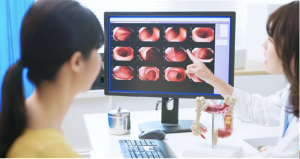
Increased Survival in Colorectal Cancer: RCCA Oncologists Tell How Doctors &Patients Are Driving the Trend The colorectal cancer death rate has dropped by more than 30%

RCCA’s Dr. May Abdo-Matkiwky Receives Prestigious Recognition at American Cancer Society’s Diamond Ball Regional Cancer Care Associates (RCCA) is dedicated to delivering cutting-edge treatment at