Addressing Ongoing Unmet Needs
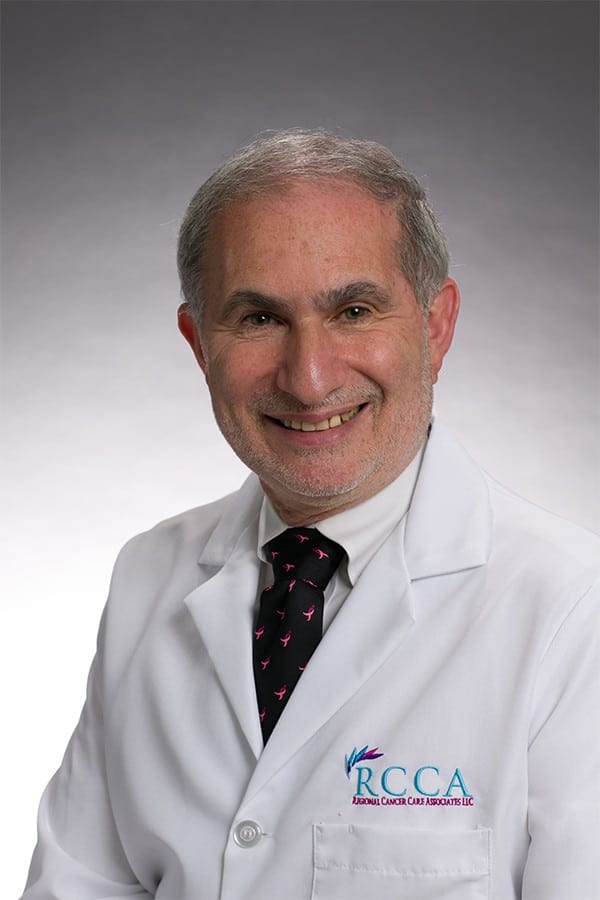
Dr. Nahum says, “For all of the advances that have improved colorectal cancer outcomes, the fact remains that an estimated 52,900 people across the U.S. will die from the disease this year. In fact, colorectal cancer is the third-leading cause of cancer-related deaths in men and the fourth-leading cause of such deaths in women.”
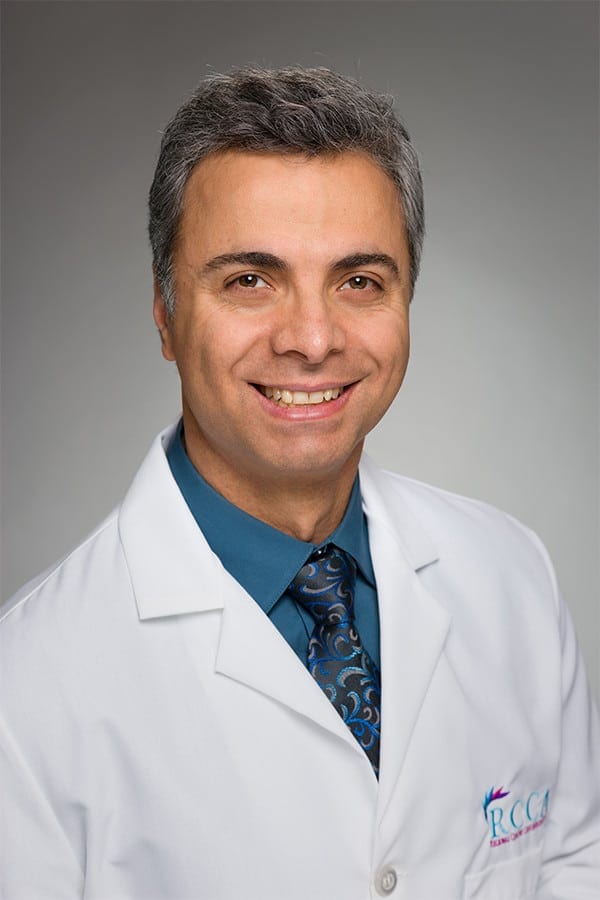
Dr. Pazooki adds, “And while the overall death rate for colorectal cancer is declining, the death rate for people aged 55 and younger actually has been increasing about 1% a year for the past several years. Further, the rate of new diagnoses in younger and middle-aged adults has been going up about 2.4% a year since 2012.”
The two medical oncologists explain that several factors have been implicated in these disturbing trends, including increased obesity among younger adults, poor dietary habits, and sedentary lifestyles.
Additionally, Dr. Pazooki notes that while the American Cancer Society now calls for people at average risk of developing colorectal cancer to begin screening at age 45, more than one-third of adults in the US have not adhered to the screening schedule recommended for them.
“Beyond enabling early identification of colorectal cancers, which is so important in terms of treatment, colonoscopy allows the gastroenterologist or other physician to identify and remove precancerous polyps, preventing cancer from developing from those growths,” he says.
Managing Colorectal Cancer Risk
Dr. Nahum says, “A growing body of research shows that people can do a great deal to reduce their risk for developing colorectal cancer and to increase their likelihood of survival should they, unfortunately, be diagnosed with the disease. Preventive steps include regular exercise, maintaining healthy weight, not smoking, avoiding alcohol, and eating a diet rich in fruits, vegetables, and whole grains while minimizing or avoiding red meat and, particularly, processed meat. Meanwhile, studies published in The New England Journal of Medicine in 2025 suggest that structured exercise programs can increase survival for people who have undergone surgery and received chemotherapy for colon cancer, and that low-dose aspirin can reduce the chance of colorectal cancer recurrence in people with a specific genetic mutation. If you have a history of colorectal cancer, or are being treated for it now, check with your doctor before starting an exercise program, aspirin, or any other intervention, but the point is that there is a great deal an individual can do to enhance his or her health.”
Dr. Pazooki adds, “RCCA’s physicians, nurses, and other team members are dedicated to providing comprehensive care, the latest treatments, and access to clinical trials to all of our patients. We offer that care in community-based settings close to patients’ homes. If you or a loved one is facing colorectal cancer or any other type of cancer, we are here for you.”
Find Comprehensive Colorectal Cancer Care Near You in New Jersey, Connecticut, Massachusetts, and the Washington, D.C., Area
Dr. Pazooki and Dr. Nahum are among 100+ medical oncologists and hematologists who practice with Regional Cancer Care Associates (RCCA), one of the nation’s largest networks of oncology specialists. RCCA has more than 20 locations near you across New Jersey, Connecticut, Massachusetts, and the Washington, D.C., area. RCCA’s cancer specialists see more than 30,000 new patients each year and provide care to more than 265,000 established patients, collaborating closely with those patients’ other physicians. RCCA physicians offer patients innovative therapies, including immunotherapies and targeted therapy, as well as access to approximately 300 clinical trials. In addition to serving patients who have solid tumors, blood-based cancers, and benign blood disorders, RCCA care centers also provide infusion services to people with a number of non-oncologic conditions—including multiple sclerosis, Crohn’s disease, asthma, iron-deficiency anemia, and rheumatoid arthritis—who take intravenously-administered medications.
To learn more about RCCA, call 844-346-7222 or contact RCCA.