What Are Radiopharmaceuticals for Prostate Cancer?
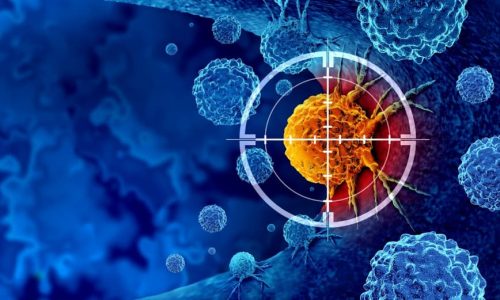
Radiopharmaceuticals are a unique type of targeted therapy that combine a small amount of radioactive material with a pharmaceutical compound. The compound is designed to seek out and latch onto specific molecules that are found on the surface of cancer cells. It carries the radioactive material with it, delivering radiation directly to the cancer.
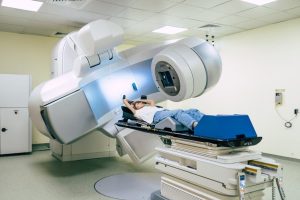
Traditional radiation therapy uses either an external beam or radioactive seeds to administer radiation. These methods, while precise, can damage healthy tissue near the tumor. They are also only effective in a limited area and cannot kill cancer cells that have spread elsewhere in the body.
In contrast, a radiopharmaceutical drug is administered by injection or infusion therapy. Once injected, the drug travels through the bloodstream to seek out cancer cells throughout the body. It carries the radiation directly to cancer cells while avoiding healthy tissue, minimizing the harmful side effects caused by radiation exposure.
Who Is Eligible for Radiopharmaceutical Treatment?
Because radiopharmaceuticals work throughout the body, they are especially effective for advanced stages of prostate cancer. This includes prostate cancer that has spread or metastasized beyond the prostate to other parts of the body. Metastatic prostate cancer is historically difficult to treat, with a poor prognosis. Radiopharmaceuticals bring new hope for patients with this challenging disease, offering longer survival with a generally good quality of life.
Not every patient is a candidate for radiopharmaceuticals. Eligibility depends on several factors, including:
- Cancer stage and degree of spread
- The patient’s overall health
- Past treatments the patient has received
RCCA oncologists evaluate each patient closely to determine what treatments are likely to be effective. They discuss their findings with the patient, helping him understand what treatment options are available based on his particular situation.
How Do Diagnostic Radiopharmaceuticals Work?
Radiopharmaceuticals have several possible applications for prostate cancer care. The first is diagnosis and evaluation. Once cancer spreads throughout the body, it can be difficult to detect. Cells are practically invisible until secondary tumors grow large enough to be identified using medical imaging. This adds to the challenge of treating metastatic prostate cancer.
Radiopharmaceuticals help oncologists detect and manage late-stage cancer more effectively. The radiopharmaceutical drug moves through the bloodstream and attaches itself to proteins found on cancer cells. The drug carries with it a radioactive agent that shows up clearly in medical imaging. When the radiopharmaceutical binds to cancer cells, those cells become starkly visible on imaging pinpointing their location.
How Do Therapeutic Radiopharmaceuticals Work?
Radiopharmaceuticals can also be used to treat cancer directly. These drugs, called therapeutic radiopharmaceuticals, also seek out and latch onto specific molecules. They carry a much stronger dosage of radiation that damages cell DNA on exposure. The radiation kills cancer cells or prevents them from reproducing, effectively destroying the tumor or slowing its spread.
Therapeutic radiopharmaceuticals are an effective means of controlling late-stage cancer. By eliminating secondary tumors and slowing the cancer’s spread, they can extend patient survival. They also have fewer side effects than other treatment approaches, helping the patient maintain a higher quality of life with cancer.
Which Radiopharmaceuticals Are Used to Treat Advanced Prostate Cancer?
There are two primary types of radiopharmaceuticals used to treat advanced prostate cancer. Both are typically recommended after other treatments have failed to control the cancer:
Lu177-PSMA-617
PSMA-directed radiopharmaceutical therapy, called Lu177-PSMA-617, is used to treat cancers that have tested positive for prostate-specific membrane antigen (PSMA), a protein that can be a marker of prostate cancer. Lu177-PSMA-617 delivers radiation to cancer cells throughout the body, including both bone and soft tissue.
Radium 223 Dichloride
Radium 223 dichloride targets metastatic prostate cancer in bone. The drug mimics calcium so that bone tissue will absorb it. Once taken up into the bones, the drug releases radiation to kill any cancer cells found there.
Find Comprehensive Prostate Cancer Treatments Near You in NJ, CT, & MA
Radiopharmaceuticals for prostate cancer represent significant progress in advanced cancer treatment, bringing new hope for patients with challenging diagnoses. Patients facing advanced prostate cancer can contact Regional Cancer Care Associates for treatment. We have more than 20 locations near you across New Jersey, Connecticut, Massachusetts, and the Washington, D.C., area, enabling patients to receive care close to home. Contact us to learn more or to schedule an appointment.
Frequently Asked Questions About Prostate Cancer
Who is at risk of prostate cancer?
Prostate cancer is most common in men over the age of 50, with the median age of diagnosis at 67. Other risk factors include Caribbean or African American ethnicity, certain genetic mutations, and a family history of prostate cancer.
What are the early signs of prostate cancer?
Early-stage prostate cancer does not always cause symptoms. When symptoms develop, they can include:
- Frequent, urgent urination
- Slow or inconsistent urine streams
- Loss of bladder control
- Burning sensations or pain during urination
- Blood in urine or seminal fluid
- New-onset erectile dysfunction
- Burning sensations or pain during ejaculation
- Discomfort during sexual activity
Symptoms of prostate cancer do not always develop until late stages. This is why routine screening is important as a means of detecting cancer early.
What are the treatment options for prostate cancer?
Prostate cancer can be treated with surgery, hormone therapy, targeted therapy, immunotherapy, chemotherapy, and radiation therapy. Treatments are most effective when cancer is in its early stages.
What is the prognosis for prostate cancer?
Early-stage prostate cancer has an excellent prognosis, with nearly 100% of patients surviving more than five years after diagnosis. Advanced prostate cancer has a worse outlook, with five-year survival rates dropping to 30%, although new treatments including radiopharmaceuticals are leading to better prognoses.