

How to Find an Oncologist Near You in Connecticut at RCCA West Hartford
One of the most intimidating things about a cancer diagnosis is finding the proper care. Cancer treatment has earned a reputation for long travel and
HIPAA Alert: Potential Data Breach Learn More
Questions on Oncology, Hematology and/or Infusion Clinical Services due to COVID-19 Crisis – CALL 833-698-1623
Important Information for Our Patients Regarding the Coronavirus.
RCCA Providing Area Cancer Patients with Access to Care During Coronavirus Outbreak
RCCA Offering Patients Virtual Visits During Coronavirus Pandemic
If you or a loved one has recently been diagnosed with Hodgkin or non-Hodgkin lymphoma, you may be wondering how these blood cancers differ. They have significant differences in symptoms, prognosis, and treatment, so it’s helpful to know what to expect.
Regional Cancer Care Associates (RCCA) is a group of more than 90 medical oncologists and hematologists that treats patients who have solid tumors, blood-based cancers, and benign blood disorders at more than 20 locations throughout New Jersey, Connecticut, Massachusetts, and the Washington, D.C. area. They strive to educate patients while providing innovative care. Following, we explore the differences between Hodgkin lymphoma and non-Hodgkin lymphoma.
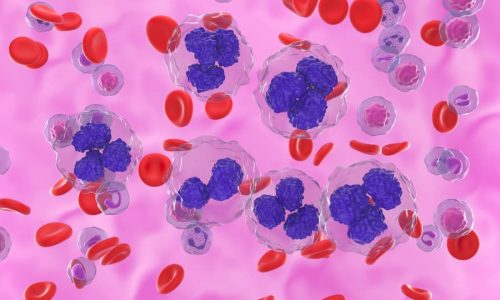
Lymphoma is a group of blood cancers that form in the white blood cells (lymphocytes called B-cells or T-cells) of the lymphatic system. It begins with an abnormal change in a single white blood cell, which then causes the cancerous white blood cells to multiply.
Lymphoma differs from other blood cancers, such as leukemia and multiple myeloma. Lymphoma affects lymphocytes in the lymphatic system, while leukemia mainly impacts white blood cells in the bone marrow and blood, and multiple myeloma affects plasma cells in the bone marrow.
There are two main types of lymphoma: Hodgkin lymphoma and non-Hodgkin lymphoma (NHL). Hodgkin lymphoma is rare, with around 8,920 new cases estimated in 2026, according to the American Cancer Society (ACS). On the other hand, non-Hodgkin lymphoma is one of the most common cancers in the United States. ACS estimates that about 79,320 people will be diagnosed with NHL in 2026.
Hodgkin lymphoma is a unique type of lymphoma that is defined by the presence of Hodgkin cells and Reed-Sternberg (RS) cells. RS cells form from mutated B cells, and they have a large, abnormal appearance that often resembles “owl eyes.” There are two main types of Hodgkin lymphoma:
Hodgkin lymphoma most commonly begins in the lymph nodes located in the upper body, such as in the neck, chest, or underarms, although it can also start in other lymph nodes.
Hodgkin lymphoma often causes recognizable symptoms, such as:
Hodgkin lymphoma can also cause what are known as B symptoms. These include unexplained fevers, drenching night sweats, and unintentional weight loss.
It is important to note that the great majority of individuals who experience one or more of the symptoms listed above will not have Hodgkin lymphoma. Nonetheless, it is important to consult a physician about these symptoms, particularly if they are pronounced, arose suddenly, or have persisted for an extended period. Prompt evaluation will enable a doctor to address your concerns and to provide a treatment plan for whatever condition may be responsible for the symptoms.
Hodgkin lymphoma primarily affects people of certain ages. It is most likely to develop in adolescents and young adults in their teens and 20s, and older adults aged 55 and older. It is slightly more common in males. Known risk factors include:
When a person is diagnosed with Hodgkin lymphoma, they will be given a stage, which indicates how far the cancer has spread from the originating lymph tissue. These stages are based on the Lugano classification system, which includes:
The stage of the cancer will help determine the treatment plan and prognosis.
The treatment plan for Hodgkin lymphoma will depend on several factors, including the patient’s overall health, the stage of their cancer, and more. Options include:
Hodgkin lymphoma is a highly curable cancer, due in part to the fact that Reed-Sternberg cells are highly sensitive to treatment. According to ACS, the five-year survival rate for localized HL is 93%, regional HL is 95%, and distant HL is 84%.
Non-Hodgkin lymphoma is a term used to describe several types of lymphoma. These cancers do not have Reed-Sternberg cells, distinguishing them from Hodgkin lymphoma. Instead, non-Hodgkin lymphoma originates from B-cells, T-cells, or natural killer (NK) cells. It typically starts in the lymph nodes or lymph tissue, but it can also affect the skin.
There are more than 60 subtypes of non-Hodgkin lymphoma, which are classified by the characteristics of the lymphoma cells. These subtypes generally fall within two groups:
The subtype that a patient has will determine which treatment methods are used.
People with non-Hodgkin lymphoma can experience various symptoms, including:
B symptoms that can appear in aggressive NHL include skin rashes or lumps, along with unexplained fevers, weight loss, and night sweats.
As above, many individuals experiencing one or more of these symptoms will not have the disease. However, it is important to report these symptoms to a physician.
Non-Hodgkin lymphoma is most common in adults aged 60 and older, especially white males. The exact cause is unknown, but some factors that can increase a person’s risk include:
Individuals with long-term exposure to certain pesticides or herbicides may also be more likely to develop NHL.
Physicians at Regional Cancer Care Associates have vast experience in treating blood cancers, including various NHL subtypes. These include:
Using the subtype and stage of the cancer, RCCA’s oncology team can develop a comprehensive treatment plan.
The best treatment option for non-Hodgkin lymphoma will depend on the subtype, stage, and the patient’s health. However, the treatment options typically include:
For indolent (slow-growing) NHL, doctors may recommend a watch-and-wait approach. This involves regularly monitoring the cancer to ensure it isn’t spreading or growing. If it is, other treatments will begin.
|
Feature |
Hodgkin Lymphoma |
Non-Hodgkin Lymphoma |
|
Reed-Sternberg Cells |
Yes |
No |
|
Age at Diagnosis |
Young adulthood (ages 15–24) or late adulthood ( 60 and older) |
Late adulthood (60 and older) |
|
Number of Subtypes |
Two: classic Hodgkin lymphoma (cHL) and nodular lymphocyte-predominant Hodgkin lymphoma (NLPHL) |
60-plus subtypes |
|
Typical Spread Pattern |
Orderly, contiguous manner through local lymphatic pathways |
Unpredictable, non-contiguous pattern |
|
B Symptoms Frequency |
25% to 30% |
25% to 33% |
|
Curability |
Highly treatable |
Depends on the subtype |
|
Most Common First-Line Treatment |
Combination chemotherapy |
Immunochemotherapy regimen (R-CHOP) |
Whether you have Hodgkin lymphoma or non-Hodgkin lymphoma, high-quality care from an expert hematology-oncology team is required to give you the best possible outcome. Many individuals diagnosed with either type of cancer turn to Regional Cancer Care Associates (RCCA) for treatment. At RCCA, hematologist-oncologists are highly experienced in treating various blood cancers, including both Hodgkin and non-Hodgkin lymphoma. RCCA also offers CAR-T cell therapy and clinical trials, helping patients access innovative treatment options.
RCCA specialists provide care to more than 30,000 new patients and 265,000 established patients each year. RCCA physicians offer patients innovative therapies, including immunotherapies and targeted therapy, cutting-edge diagnostics as well as access to approximately 300 clinical trials in community-based centers close to home.
To learn more about RCCA, call 844-346-7222 or contact RCCA online.
What is the difference between Hodgkin and non-Hodgkin lymphoma?
The main difference between Hodgkin and non-Hodgkin lymphoma is the specific lymphocyte (white blood cell) involved. Hodgkin lymphoma is marked by the presence of Reed-Sternberg cells, while non-Hodgkin lymphoma does not have these cells. It is characterized by cancers originating from B-cells, T-cells, or natural killer cells.
Which type of lymphoma is more common?
Non-Hodgkin lymphoma is much more common than Hodgkin lymphoma, and it is one of the most common cancers in the U.S.
Which type of lymphoma is more curable?
Hodgkin lymphoma has a higher curability than non-Hodgkin lymphoma, which will vary based on the subtype.
What are the symptoms of lymphoma?
The symptoms of lymphoma include:
How is lymphoma diagnosed?
To diagnose lymphoma, doctors use a comprehensive clinical assessment, which includes a physical exam, blood work, imaging scans, and a tissue biopsy. The tissue biopsy is required to conclusively diagnose lymphoma.
What is the treatment for non-Hodgkin lymphoma?
The first-line treatment for non-Hodgkin lymphoma is an immunochemotherapy regimen known as R-CHOP. It stands for a combination of five drugs: Rituximab, Cyclophosphamide, Hydroxydaunorubicin (Doxorubicin), Oncovin (Vincristine), and Prednisone.
Can lymphoma come back after treatment?
Yes, it’s possible for lymphoma to come back after treatment. The risk of recurrence will depend on several factors, including the type and subtype of the cancer, the stage, and what treatments were used.
What is the survival rate for non-Hodgkin lymphoma?
The survival rate for non-Hodgkin lymphoma varies heavily based on the subtype and stage of the cancer. For diffuse large B-cell lymphoma, the five-year survival rate for localized cancer is 74%, and it is 58% for distant cancer. For follicular lymphoma, the five-year survival rate for localized cancer is 97%, and the rate for distant cancer is 86%.
For more information or to schedule an appointment,
call 844-346-7222. You can also schedule an appointment by calling the RCCA location nearest you.
One of the most intimidating things about a cancer diagnosis is finding the proper care. Cancer treatment has earned a reputation for long travel and

When patients receive a cancer diagnosis, the first question they ask is where to find care. Many individuals assume that they need to travel to

When facing a major medical procedure for a serious illness, it is normal to wonder whether a doctor offering a second specialist would recommend something





Regional Cancer Care Associates is one of fewer than 200 medical practices in the country selected to participate in the Oncology Care Model (OCM); a recent Medicare initiative aimed at improving care coordination and access to and quality of care for Medicare beneficiaries undergoing chemotherapy treatment.