What Is Radiation Therapy for Breast Cancer?
Radiation therapy is a common recommendation for breast cancer. This treatment uses high-energy rays or particles to damage cancer cells. It may stop the cells from dividing, effectively halting or slowing the cancer’s growth, or it may kill the cells.
There are several situations in which radiation therapy may be recommended. It is often used after breast cancer surgery (such as mastectomy or lumpectomy) to eliminate any cancer cells that may remain. This helps to reduce the risk of cancer recurrence after surgery. Radiation therapy may also be one component of a treatment plan that also includes chemotherapy. When used together, these treatments can help control cancer that has spread beyond the breast and into other parts of the body.
There are two distinct types of radiation therapy: external and internal. While each type uses radiation to treat cancer, they differ in how the radiation is administered. Which type is best suited for treating a particular patient’s breast cancer depends on a number of factors, including the cancer’s location, stage, and extent.
Understanding External Radiation Therapy
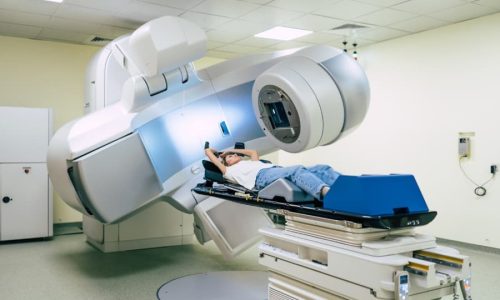
External radiation therapy is the most common form of radiation treatment for breast cancer. A specialized machine concentrates energy into a strong but extremely narrow beam that is aimed directly at the tumor.
What to Expect from External Radiation Therapy
External radiation therapy often is administered two weeks to two months after surgery, giving the patient time to heal after a mastectomy or lumpectomy. Before treatment begins, the radiation oncologist and radiation therapist will perform imaging studies of the area to be treated. This helps them determine the boundaries of the treatment field for more accurate targeting. The area may be marked with small tattoos before treatment. The tattoos are very small, and most patients only need a couple.
The frequency and duration of external beam radiation therapy are determined by several factors, including the extent of the area to be treated, whether lymph nodes are being targeted in addition to breast tissue, the molecular characteristics and other features of the cancer, and the dose of radiation administered. Traditional schedules often entail treatment for five days a week for five to seven weeks. More recently, “accelerated” schedules administer higher doses of radiation over a shorter period of time. External beam radiation. Each treatment lasts for no more than a few minutes. The procedure is painless, although it may result in side effects, which can include fatigue, skin irritation, and breast swelling or tenderness. Patients should speak with their radiation oncologists about what to expect from their treatment.
Benefits of External Radiation Therapy
External radiation therapy is a versatile treatment that can be used in a wide range of situations. It provides a few benefits over internal treatment:
- Wide focus: External radiation therapy delivers radiation over a larger area, making it the best choice for large tumors or ones that have begun to spread.
- Versatile aiming: Because the beam can be moved freely around the body, external radiation can treat primary tumors, secondary tumors, and lymph nodes at the same time.
- Less discomfort: External radiation therapy is non-invasive and painless, helping patients stay comfortable while receiving treatment.
- Fewer disruptions: Although external radiation therapy requires administration of treatment over several weeks, patients can maintain their normal lifestyle between appointments.
Understanding Internal Radiation Therapy
Internal radiation therapy, also called brachytherapy, uses an implanted device containing radioactive seeds or pellets to deliver radiation inside the body. The device delivers radiation directly to the cancer while limiting to the impact on surrounding healthy tissue.
What to Expect from Internal Radiation Therapy
Like external radiation therapy, internal radiation therapy often is administered a few weeks after surgery. A small tube called a catheter is placed in the breast, providing access to the area to be treated. At the end of the catheter is an inflatable device. During treatment, radioactive seeds or pellets are placed in the inflatable device. They are left in place for 10 to 20 minutes while they release radiation directly into the breast cancer tumor and surrounding tissue.
Internal radiation therapy often is administered twice daily over five days. It typically is performed on an outpatient basis.
Benefits of Internal Radiation Therapy
Internal radiation therapy can be a preferred approach when:
- The tumor that was removed was three centimeters or smaller in size.
- The cancer has not spread to the lymph nodes.
- No cancer cells were found in the rim of healthy tissue (“margins”) removed with the cancer.
Patients with larger tumors or later stages of breast cancer are not good candidates for internal radiation therapy. When it can be used, however, the approach provides several benefits:
- Strong dosage: Internal radiation therapy delivers a strong dosage of radiation into an exact area, making it very effective at destroying small tumors.
- Tolerability: Internal radiation therapy has limited impact on healthy tissue, which can minimize side effects.
- Shorter treatment: The treatment period for brachytherapy is shorter than that for external beam radiation therapy.
Meanwhile, the potential side effects of internal radiation therapy include skin redness, soreness, bruising, swelling, and fatigue.
Find Breast Cancer Treatment Near You in NJ, CT, MA, and the Washington, D.C., Area
It is normal for people with breast cancer to worry about their treatment. By asking questions and learning more, however, patients can plan for their care with greater confidence. Radiation therapy for breast cancer is effective, and many patients can maintain their normal lifestyles during treatment.
Regional Cancer Care Associates (RCCA) is an oncology specialist network serving patients at locations near you across New Jersey, Connecticut, Massachusetts, and the Washington, D.C., area. Our specialists can answer any questions or concerns that patients may have about radiation therapy. Contact us to learn more about our services or to schedule an appointment.
Frequently Asked Questions About Breast Cancer
What are the early signs of breast cancer?
Signs of breast cancer include changes in breast size or shape, swelling or discoloration, puckered skin, an itchy or scaly nipple rash, and a new lump in the breast. However, early breast cancer often does not cause symptoms at all.
How is breast cancer detected?
Many breast cancer cases are detected with annual screening mammograms.
What is the preferred treatment for breast cancer?
The preferred treatment for breast cancer usually is surgery. Other treatments, including chemotherapy and radiation therapy, are often used before or after surgery to improve outcomes.
What are other treatments for breast cancer?
Other treatments for breast cancer include targeted therapy, hormonal therapy, and immunotherapy.