
How Does Radiation Therapy Work and What Side Effects Should You Expect?
Radiation therapy is one of the most common treatments provided to patients with cancer. This treatment uses high-energy beams or radiation “seeds” to kill cancer
HIPAA Alert: Potential Data Breach Learn More
Questions on Oncology, Hematology and/or Infusion Clinical Services due to COVID-19 Crisis – CALL 833-698-1623
Important Information for Our Patients Regarding the Coronavirus.
RCCA Providing Area Cancer Patients with Access to Care During Coronavirus Outbreak
RCCA Offering Patients Virtual Visits During Coronavirus Pandemic
Patients with cancer understandably may feel apprehensive about treatment. While it is true that some patients do experience debilitating side effects from chemotherapy, advances in medicine enable many patients to tolerate the treatment with minimal or no side effects.
It is important for patients who are considering chemotherapy to understand how this mode of treatment works, as well as their risk of an adverse event, so that they can make an educated decision before proceeding with treatment.
Following, Regional Cancer Care Associates (RCCA) discusses chemotherapy side effects and how they are managed. RCCA is a group of more than 90 medical oncologists and hematologists who treat patients who have solid tumors, blood-based cancers, and benign blood disorders at more than 20 locations throughout New Jersey, Connecticut, Massachusetts, and the Washington, D.C. area. At RCCA, patients are able to receive comprehensive cancer care close to home.
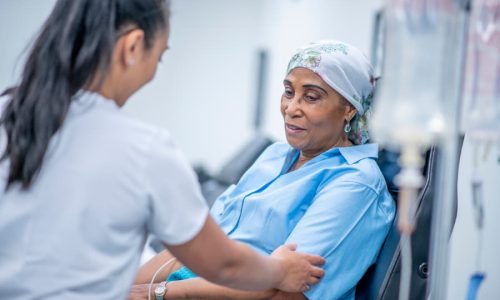
Chemotherapy, or chemo, is one of the most common kinds of cancer treatment. Chemotherapy uses powerful drugs that interrupt the cell-dividing process, killing cells and stopping them from reproducing. Because cancer cells reproduce extremely quickly, chemo drugs are very effective at eliminating them. However, the drugs also damage healthy cells that split rapidly. This collateral damage causes mild to severe side effects depending on the type of drug used.
While all chemotherapy drugs work by interrupting cell division, different drugs use slightly different methods of doing so. The side effects to expect depend on the type of chemo drug used and the dosage. The primary chemo drug categories are:
Platinum-based regimens are a type of alkylating agent that works by binding to cell DNA during division, causing the DNA strand to bend and break. Common examples of platinum-based chemo regimens include cisplatin, which treats testicular cancer; carboplatin, which is used for ovarian and lung cancers; and oxaliplatin, which treats colon cancer.
The common side effects of platinum-based regimens include nausea, vomiting, hair loss, and lowered white blood cell counts that lead to easy infections.
Anthracyclines are a type of antitumor antibiotic. Derived from Streptomyces bacteria, the drugs work by blocking the enzymes that cancer cells use to replicate. Common examples include doxorubicin, which treats everything from leukemia and lymphoma to solid tumors, such as breast cancer, and epirubicin, which is used to treat blood cancer after the primary tumor has been removed.
Patients who take anthracyclines may experience fever, vomiting, diarrhea, and nausea. The drugs can also cause permanent heart damage when given in high doses, so the dose is usually limited.
Taxanes work by stabilizing microtubules. These are hollow, tubular structures that maintain the cell’s shape and segregate its chromosomes during cell division. By stiffening the microtubules, taxanes prevent them from splitting chromosomes apart. This stops the cell division from occurring. Common taxanes include paclitaxel and docetaxel, which treat a variety of solid tumor cancers.
Frequent side effects of taxanes include low white blood cell count (neutropenia), peripheral neuropathy, muscle pain, rashes, nausea, anemia, and hair loss.
Alkylating agents work similarly to platinum-based regimens by binding to DNA strands. They add an “alkyl” group to DNA, binding the strands together to cause a fatal error. Common alkylating agents include cyclophosphamide, which treats both blood and solid tumors, and ifosfamide, which treats soft tissue sarcomas and lymphomas.
Patients who are given alkylating agents often experience nausea, vomiting, hair loss, fatigue, bone marrow issues leading to frequent infections, and easy bruising.
Although every chemotherapy drug is unique in its side effects, most of them share some symptoms in common. By preparing, patients can equip themselves to manage side effects to maintain a higher quality of life and avoid dangerous complications. Patients should familiarize themselves with the most common side effects and management strategies.
Fatigue is the most universal chemotherapy side effect. Many chemotherapy drugs interfere with blood-forming cells in the bone marrow, causing anemia. Even if fatigue is not directly caused by the drug, its other side effects may disrupt sleep and prevent patients from resting.
Good sleep hygiene is important for fatigue management. By sticking to a regular sleep schedule, limiting naps, and optimizing their environment for sleep, patients who are undergoing chemotherapy can maximize their rest. Pacing and light exercise also help by regulating the circadian rhythm and increasing the body’s sleep drive.
Fatigue is concerning when other signs of anemia appear. Shortness of breath, dizziness, headaches, an irregular heartbeat, cold hands, and pale skin are all warning signs that it’s time to call a physician.
Nausea is another common chemo side effect. Chemotherapy drugs are toxins. When the body registers the powerful toxin, the brain triggers a vomiting reflex to try to rid itself of the poison. Chemo drugs also irritate the healthy cells that line the gastrointestinal tract, worsening the feeling.
Modern antiemetic (anti-vomiting) medications have greatly improved nausea control. Specific drugs exist to reduce both acute and delayed nausea, reducing or even eliminating this side effect. Patients can also control nausea by eating bland foods that are easy to digest. Small meals reduce pressure on the stomach, and frequent hydration soothes the stomach lining.
Patients should call their oncologist if they vomit more than a few times daily or cannot keep liquids down. These issues can quickly lead to dehydration or malnutrition if not addressed.
Hair loss is the most well-known side effect of chemotherapy. Hair follicle cells are some of the fastest-replicating cells in the body, making them vulnerable to chemo drugs. When follicle cells are killed, the hair becomes brittle, breaks, and typically falls out within a few weeks of starting treatment.
Chemo-related hair loss is usually temporary, and the hair will regrow. Even so, hair loss can impact a person’s confidence and body image. Cold cap therapy can reduce hair loss by restricting blood vessels to the scalp, reducing the amount of chemotherapy drugs that reach the follicles. Patients can also cut or shave their hair early to ease the transition and reduce the discomfort of patchy shedding.
The inside of the mouth is another region with naturally fast-dividing cells. The tissue lining the mouth constantly renews itself, making it vulnerable to chemo drugs. Patients often experience inflammation and painful sores inside their mouths.
Good oral hygiene is essential during chemotherapy. Not only does it help prevent mouth sores, but it also reduces the risk that the sores become infected. Saltwater rinses also soothe inflammation and prevent sores. Patients should stick to soft, cold foods like milkshakes, mashed potatoes, and melons. Avoid crunchy, acidic, or salty foods that may irritate the inside of their mouths.
Certain chemotherapy drugs, including oxaliplatin, paclitaxel, and vincristine, cause neuropathy. This condition refers to irritated nerves in the hands and feet. Patients may experience numbness, tingling, pain, or an increased sensitivity to cold while the chemo drugs are active.
To reduce symptoms of neuropathy, physicians may prescribe anti-seizure drugs (gabapentin) or antidepressants (duloxetine). Both treatments can reduce pain caused by neuropathy. Physical therapy, meanwhile, can help patients preserve their mobility. Patients may also consider using a cane or walker to prevent accidental falls while they cannot feel their feet.
Patients should always report symptoms of neuropathy, especially if they get worse. The oncologist may adjust the chemo dosage to reduce neuropathy and prevent permanent nerve damage.
Many types of chemotherapy interfere with the bone marrow. Attacks on the blood-forming cells cause neutropenia, or a low white blood cell count. With fewer immune cells, the body becomes vulnerable to infection. Patients get sick more often than usual and may have a hard time recovering.
Managing neutropenia requires careful infection prevention. Patients should wash their hands frequently, wash all raw food, and store meats properly to avoid exposure to pathogens. Patients should also avoid sick people and activities that involve large crowds. Granulocyte colony-stimulating factor (G-CSF) injections may be recommended to boost white blood cell counts.
Patients should get emergency care if they develop a fever. Because patients with neutropenia cannot produce a normal immune response, a fever is often the only sign of a life-threatening infection.
Attacks to the bone marrow may also cause thrombocytopenia, or a low platelet count. Platelets are cell fragments in blood that help it clot. With thrombocytopenia, patients bruise easily and bleed longer than they should after even a mild cut.
Patients with thrombocytopenia should restrict their activities to avoid excessive bleeding. Contact sports and rigorous physical activity should be avoided, as should power tools and environments with a high risk of cuts. Patients should not take non-steroidal anti-inflammatory medications (NSAIDs) and should consult their doctor before using herbal remedies.
If patients experience uncontrolled bleeding, unusual headaches, or unexplained bleeding, they should contact a doctor immediately. A platelet transfusion may be needed to prevent bleeding out.
“Chemo brain” refers to chemotherapy-related cognitive impairment. Up to 75% of patients experience memory loss, feel confused, or have a hard time concentrating. This side effect may be compounded by fatigue, stress, or anemia and can last for years after treatment.
To manage cognitive changes effectively, patients should set up structured routines before treatment begins. The routine will help them navigate daily tasks during and after chemotherapy. Managing stress and fatigue helps reduce the effects of chemo brain, while puzzles and learning challenges exercise the brain to keep it sharp.
Chemotherapy damages the cells responsible for taste and saliva production, reducing the patient’s ability to taste food. Lingering drugs may also leave a persistent bitter or metallic flavor. As a result, many patients struggle with reduced appetite and weight loss.
To manage appetite loss, patients should prioritize high-calorie foods that are easy to eat. Smoothies and protein shakes are good options, as are nut butters and full-fat dairy. If patients have a hard time staying fed, they can request a dietitian referral. Medical assistance can help the individual plan nutritious meals to boost energy and prevent weight loss.
With the right medical support, patients can manage their chemotherapy side effects for an easier cancer treatment. Those diagnosed with cancer often turn to Regional Cancer Care Associates (RCCA) for care. RCCA specialists provide care to more than 30,000 new patients and 265,000 established patients each year. RCCA physicians offer patients innovative therapies, including immunotherapies and targeted therapy, cutting-edge diagnostics as well as access to approximately 300 clinical trials in community-based centers close to home.
To learn more about RCCA, call 844-346-7222 or contact RCCA online.
What are the most common chemotherapy side effects?
The most common side effects of chemotherapy are fatigue, nausea, hair loss, mouth sores, neuropathy, frequent infections, cognitive changes, and appetite loss.
How long do chemotherapy side effects last?
Chemotherapy side effects typically start when treatment begins and last for a few weeks after it concludes. Some symptoms, such as “chemo brain,” may linger for years after treatment.
Does everyone lose their hair during chemotherapy?
Not everyone loses their hair during chemotherapy. While this side effect is common, it can be mitigated with scalp care and cold cap therapy.
What is neutropenic fever and why is it an emergency?
Neutropenic fever is a sudden and severe fever that develops while a person has a low white blood cell count. Patients with neutropenia cannot produce a complete immune response, so they do not experience normal symptoms of sickness. A fever is the first and only sign of an infection that might be life-threatening.
What can I eat during chemotherapy?
Due to nausea, mouth sores, and appetite loss, many patients struggle with nutrition during chemotherapy. Recommended foods to try include:
Full-fat dairy milkshakes, mashed potatoes, melon, bananas, oatmeal, and rice are all good choices.
What is neuropathy from chemotherapy?
Neuropathy refers to irritated nerves in the hands and feet. Patients may experience numbness, tingling, pain, or an increased sensitivity to cold.
Can chemotherapy side effects be managed?
Yes, many chemotherapy side effects can be managed. Antiemetic medications reduce nausea, cold cap therapy reduces hair loss, and injections can boost white blood cell count to prevent neutropenia.
Will my side effects get worse with each cycle?
Some chemotherapy side effects, including fatigue, taste changes, and neuropathy, get worse with each cycle. They may be more intense or last longer due to accumulated drugs in the body. Other side effects reset between cycles without getting worse.
For more information or to schedule an appointment,
call 844-346-7222. You can also schedule an appointment by calling the RCCA location nearest you.
Radiation therapy is one of the most common treatments provided to patients with cancer. This treatment uses high-energy beams or radiation “seeds” to kill cancer

Avishek Kumar, MD, says that while the role of diet in reducing the risk of developing cancer is well known, many people don’t realize that

While cancer is rare in young adults, it occurs more frequently than many people realize. Young, healthy patients frequently get positive results from cancer care.


Regional Cancer Care Associates is one of fewer than 200 medical practices in the country selected to participate in the Oncology Care Model (OCM); a recent Medicare initiative aimed at improving care coordination and access to and quality of care for Medicare beneficiaries undergoing chemotherapy treatment.