What are the first symptoms of lung cancer?
Lung cancer does not always cause symptoms at first. When symptoms develop, they may include coughing, chest pain, shortness of breath, coughing up blood, or a hoarse voice.
What does lung cancer feel like?
Lung cancer can feel like a persistent cold, a nagging cough, or unexplained weakness. Spreading tumors may cause chest, shoulder, or back pain.
Can you have lung cancer without ever having smoked?
Yes, you can have lung cancer without smoking. About 10% to 20% of lung cancer cases occur in patients who never smoked.
How is lung cancer diagnosed?
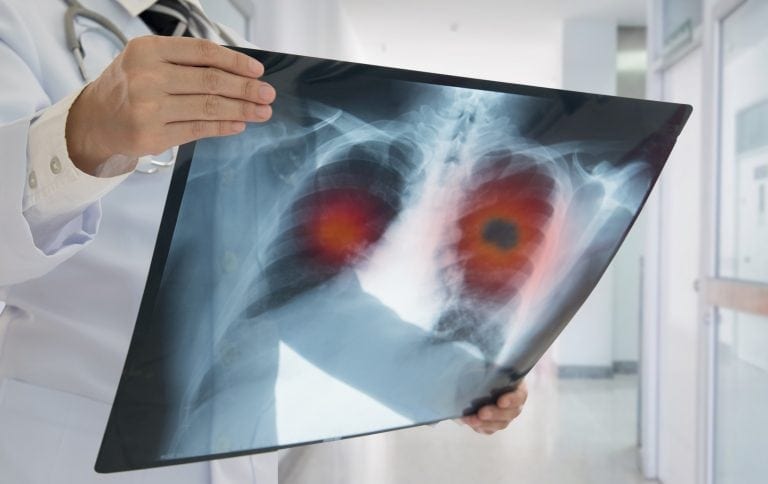
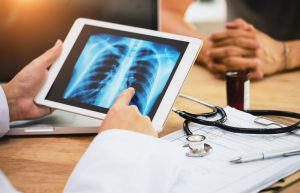
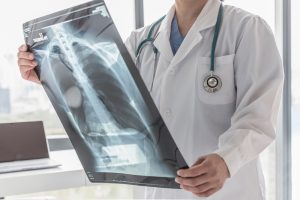
Lung cancer is usually detected when it starts causing symptoms. Physicians locate the tumor using medical imaging, then perform a biopsy to test tumor tissue for cancer cells. Molecular testing identifies gene mutations to guide treatment decisions.
What are the treatment options for Stage IV lung cancer?
The treatment options for Stage IV lung cancer include chemotherapy, targeted therapy, and immunotherapy. Palliative care is also available to help patients manage their symptoms and the side effects of treatment.
What is the survival rate for lung cancer by stage?
Lung cancer survival rates decline as the cancer progresses. For example, localized (Stage I) non-small cell lung cancer has a five-year survival rate of up to 92%, while metastatic (Stage IV) NSCLC has a survival rate of 12%. Note that these estimates are generalized statistics and individual patients may have different prognoses.
What is targeted therapy for lung cancer?
Targeted therapy is a type of personalized therapy that attacks cells with specific characteristics. It can be used to combat cancer without damaging healthy tissue.
Can immunotherapy cure lung cancer?
Immunotherapy cannot cure lung cancer, but it can greatly extend patients’ lifespans while reducing treatment side effects when managing late-stage lung cancer.
How long does lung cancer treatment take?
The length of time expected for lung cancer treatment depends on the cancer’s stage and how effective the treatment is. Some patients finish active treatment within a few months, but others receive care for years.