What’s New in Lung Cancer Research?
First, it’s worth reiterating that cigarette smoking is by far the most common cause of lung cancer. More than 84% of women and 90% of men with a new lung cancer diagnosis either currently smoke tobacco or used to smoke.
Not everybody who gets lung cancer is a smoker, however. Around 15% of lung cancer patients have never smoked cigarettes. And according to a recent study, lung cancer rates are rising among certain non-smoking populations. Lung cancer occurrences in non-smoking Asian-American women have risen by approximately two percent every year between 2007 and 2018. This trend is especially concerning because lung cancer rates have declined among all other populations.
What Is Causing the Trend?
Although lung cancer researchers have identified the trend, they have yet to pinpoint its cause or causes. However, oncologists are investigating several potential factors, including:
Cooking Fumes Exposure
Many Asian-American immigrants work in restaurants and other food service establishments. As a result, they are frequently exposed to cooking oil fumes.
When exposed to heat, such as during high-temperature frying, cooking oils release various aerosols and compounds into the air. These can trigger lung inflammation and potential DNA damage when inhaled. Prolonged exposure, especially with poor kitchen ventilation, may lead to a heightened risk of cancer. Women who work in food service may be unknowingly exposing themselves to these harmful fumes.
Industrial Air Pollution
Researchers report that Asian Americans also face higher exposure to construction, vehicle, and industry emissions than people in other demographic groups. Studies have shown that ethnic minorities, including Blacks, Hispanics, and Asians, are disproportionately exposed to airborne particulates from fossil fuel emissions.
Urban centers often have higher-than-average ethnic minority populations. These areas may be subject to poor air quality due to construction and industrial emissions.
Genetics
Regardless of smoking status, lung cancer is more common among Asian-American women than their counterparts in other groups. More than twice as many Asian-American women develop lung cancer as women from other ethnic backgrounds, and 57% of these are non-smokers. Among Chinese and Indian American women, up to 90% of lung cancer cases are diagnosed in non-smokers.
Challenges with Lung Cancer Screening
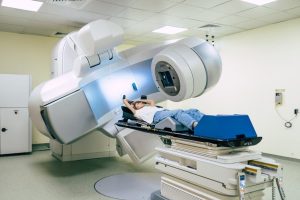
Routine lung cancer screening is the best means of detecting lung cancer early. Annual screenings, which use low-dose CT (computed tomography) scans to examine the insides of the lungs, can detect lung cancer before it begins to cause symptoms. Early detection enables prompt treatment for the best chance of success. If patients wait until symptoms develop to seek care, it may already be too late to fully eliminate the cancer.
Current screening guidelines, however, may not be adequate for detecting lung cancer in non-smokers. This can be a problem for populations who are at higher-than-average risk of lung cancer, including Asian-American women. Guidelines only recommend screening for people who:
- Are between the ages of 50 and 80
- Currently smoke or have quit smoking within the last 15 years
- Have a 20 pack-year history of smoking, which is determined by multiplying the number of packs smoked daily by the number of years spent smoking that amount
These guidelines influence when physicians recommend screening for patients. Insurance companies also consider the guidelines when determining whether to cover screening for a patient. Because the guidelines are designed for smokers, they can make it difficult for people who don’t smoke to obtain the screening they need. This can lead to later diagnoses and poorer outcomes for lung cancer care.
Some professionals have called for changes to current screening guidelines. These changes would allow non-smokers and younger patients to receive routine screenings that would be covered by insurance. Before any sweeping changes can be made, however, more research will be required.
Continued Research with FANS
The National Institutes of Health (NIH) launched the Female Asian Never Smokers (FANS) study in 2021. This study is designed to uncover potential causes of lung cancer among Asian-American non-smokers, including secondhand smoke, genetics, environmental factors, and cultural factors. It is the first and currently the only research study examining this topic.
While FANS is breaking ground, its work will not be sufficient to fully explain the trend. Further studies will be necessary before oncologists can fully understand what is driving the higher incidence of lung cancer in non-smoking Asian American women.
Improving Cancer Awareness
Until the causes of lung cancer in non-smokers are better understood, it is important to prioritize education about the warning signs of lung cancer. Early stages of the disease do not always cause symptoms. As lung cancer progresses, however, people may experience:
- A cough that does not go away
- Coughing up blood
- Constant chest pain
- Repeated chest infections
- Voice hoarseness
- Wheezing or shortness of breath
- Fatigue, or feeling tired all the time
- Unexpected weight loss
People should also educate themselves on lung cancer risk factors. While the relationship between lung cancer and smoking is well known, other factors also contribute to development of the disease, including:
- Exposure to air pollution or cooking oil fumes
- Contact with secondhand smoke
- Exposure to radon
- A diet with too few fruits, vegetables, and whole grains
- Family history of lung cancer
Educated people are empowered to reduce their cancer risk and to seek medical care when they need it. This can help prevent individual deaths and improve care outcomes while researchers work on developing an effective systemic solution.
Find Comprehensive Lung Cancer Care Near You in NJ, CT, MA, and the Washington, D.C., Area
Learn more about the latest lung cancer research at Regional Cancer Care Associates. We are an oncology network dedicated to providing the highest level of cancer treatment and education at more than 20 locations near you in NJ, CT, MA, and the Washington, D.C., area. Contact us for more information about our services or to request an appointment at one of our convenient locations.