What Is Lymphedema?
The lymphatic system is a part of the body’s immune system. Its role is to maintain balanced fluid levels throughout the body. It also helps to combat infection. The system has three primary components:
- Lymph fluid: This is a clear fluid that travels through the body via lymph vessels. It contains water, proteins, salts, and white blood cells.
- Lymph vessels: These are narrow vessels, like blood vessels, that carry lymph fluid. One-way valves ensure that the fluid moves in the correct direction.
- Lymph nodes: These are small glands that filter lymph fluid to remove germs, dead cells, and other waste. Lymph nodes are found in many parts of the body.
When lymph vessels or nodes become damaged, lymph fluid has nowhere to go. The fluid becomes trapped in surrounding tissues. The resulting swelling is known as lymphedema.
Who Is at Risk for Lymphedema?
There are two types of lymphedema: primary and secondary. Primary lymphedema is a rare genetic condition that causes underdeveloped lymph vessels. The malformed vessels lack the capacity to transport lymph fluid effectively. Primary lymphedema is rare, affecting only 1 in 100,000 people.
Secondary lymphedema is more common, affecting 1 in 1,000 people. This condition is caused by damage to lymph vessels or nodes. In some cases, the damage is caused by a cancerous tumor that forms in a lymph node. In others, overproduction of white blood cells due to leukemia may cause an obstruction. More frequently, however, lymphedema is a consequence of cancer treatment:
- Surgery: Removing lymph nodes can prevent the spread of cancer. However, when vessels are removed, lymph fluid may not be able to flow properly.
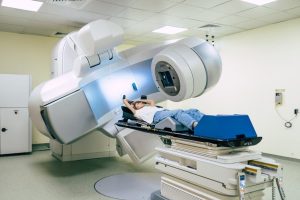
- Radiation therapy: Radiation treatments can cause tissue inflammation or scarring, which may obstruct or damage lymph vessels.
While treatment for any type of cancer may cause lymphedema, the highest risk occurs when the cancer is located close to lymph nodes. This includes melanoma and cancers of the breast, head and neck, bladder, ovaries, cervix, penis, and prostate.
What Are the Symptoms of Lymphedema?
Lymphedema is not always easy to detect. Symptoms appear only when fluid buildup reaches a critical point, which may occur months or years after treatment. Symptoms can emerge slowly or suddenly. Where they appear depends on the treatment site. Though most common in the arms or legs, symptoms of lymphedema can also affect the neck, face, mouth, abdomen, and groin. They include:
- Aching pain
- Swelling or a feeling of heaviness
- Inexplicably tight-fitting clothes or jewelry, especially without overall weight gain
- Tight, shiny, reddened, or warm skin
- Skin that has thickened or become hard
- Skin with an “orange peel”-like texture
- Burning sensations
- Itchiness, tingling sensations, or numbness
- Muscle weakness
- Loss of joint flexibility
- Open, leaking blisters
Patients should not hesitate to contact their oncologist about any of these symptoms. Swelling can be a sign of cancer returning or of lymphedema. In either case, early diagnosis gives patients the best chance at successful treatment or effective symptom management.
What Are the Stages of Lymphedema?
Like cancer and many other diseases, lymphedema is categorized in stages. This system helps physicians describe how serious the condition is, which is a key factor in planning treatment.
- Stage 0: The lymphatic system may be damaged, but no swelling has occurred. Patients may feel aching or heaviness in the affected area. Stage 0 can last for months or years.
- Stage 1: Swelling is present and visible, but manageable with conservative treatments like elevation or the use of compression garments.
- Stage 2: Swelling is severe, and the skin may not indent when touched. Skin is moderately to severely thickened, and conservative treatments will not reduce the swelling.
- Stage 3: The affected area is greatly enlarged, and the skin is thick, dry, and hardened. Severe swelling may cause leakage or blisters. Movement is difficult.
Stage 2 lymphedema does not generally respond well to treatment, and it carries an increased risk for skin and other infections. Stage 3 typically is permanent. For these reasons, it is best to seek care during the early stages, when treatment has the best chance of preventing serious complications.
How to Manage Lymphedema
While there is no cure for lymphedema, medical treatment can relieve symptoms and control its progress. Patients can work with a certified lymphedema therapist (CLT) to develop a management plan, which may include:
- Elevation: Routine elevation helps lymph fluid drain from the limb, reducing swelling.
- Compression: Bandages, tape, compression socks, and other garments put gentle pressure on the limb, preventing fluid from refilling in the affected area.
- Skincare: Careful cleaning, moisturizing, sunburn protection, and shaving protocols can reduce the risk of cuts and infection.
- Exercise: Specific movements may be prescribed to increase strength, improve range of motion, and encourage lymphatic fluid to flow properly.
- Manual lymphatic drainage: Also called MLD, this approach uses gentle massage to allow lymph fluid to drain into the bloodstream.
- Complete (complex) decongestive therapy: Also called CDT, this approach features a blend of MLD, skin care, compression, and exercise.
Depending on the nature and severity of lymphedema, a physician may also prescribe antibiotics to prevent secondary infections.
How to Prevent Lymphedema
Because lymphedema cannot be cured, prevention is critical. Patients can take several steps to reduce their risk of lymphedema after cancer treatment, including:
- Maintaining a healthy weight
- Avoiding sitting, standing, or crossing their legs for long periods
- Wearing loose clothing without tight elastic
- Limiting exposure to severe hot or cold temperatures
- Avoiding pressure, cuts, and needles in affected limbs
Finally, patients should seek medical attention if their skin feels hot to the touch or appears red or swollen. Lymphedema management is easiest and least uncomfortable in the condition’s early stages.
Find Lymphedema Treatment Near You in NJ, CT, MA, and the Washington, D.C., Area
Patient awareness and prompt assessment and intervention are key to avoiding serious complications from lymphedema. People can learn more about this condition at Regional Cancer Care Associates. We are one of the nation’s largest cancer care networks, with locations near you in New Jersey, Connecticut, Massachusetts, and the Washington, D.C., area. Contact us today to learn more about cancer treatments and lymphedema.
Frequently Asked Questions About Lymphedema
What is lymphedema?
Lymphedema is a condition characterized by swelling in the arms, legs, and other parts of the body, caused by the buildup of lymph fluid in tissue.
What cancer treatments cause lymphedema?
Surgical removal of lymph nodes can sometimes cause lymphedema by interrupting the normal flow of lymph fluid. Radiation therapy is also a frequent cause of lymphedema because it can damage lymph vessels.
Can lymphedema be prevented?
Lymphedema cannot always be prevented. By taking the right steps, however, patients can keep symptoms from becoming worse.
Can lymphedema be cured?
Lymphedema cannot be cured once it develops. If it is caught early, symptoms can be managed with elevation, compression, exercise, and skincare.