What Causes Cancer?
Cancer is caused by genetic changes that tell a person’s cells to reproduce abnormally. There are many different types of gene changes that can cause this behavior. Depending on the specific alteration, some cancers grow more quickly than others. The genetic change may also produce features in cancer cells that make them susceptible to certain types of treatment.
This genetic change can take place for any number of reasons. For many lung cancer patients, it is caused by cellular damage from smoking. Other environmental causes may be risk factors as well, including exposure to asbestos, radiation, diesel exhaust, and some industrial chemicals.
What Are Biomarkers?
According to the National Cancer Institute, biomarkers are “biological molecules found in blood, other body fluids, or tissues that are a sign of a normal or abnormal process, or of a condition or disease.” They include proteins, hormones, or pieces of DNA found in tumor tissues, blood, saliva, urine, or stool. Some are produced by tumor cells, while others are created by the body in response to cancer. Each type of cancer produces its own unique biomarkers.
Since their discovery, biomarkers have become one of the most important areas of cancer research. New biomarkers are constantly being discovered for different types of cancer. By measuring them, oncologists can find out what specific genetic changes are responsible for a patient’s cancer. This provides vital information that can be used to plan the most effective treatment.
What Is Comprehensive Biomarker Testing for Lung Cancer?
Comprehensive biomarker testing is a type of medical screening that looks for genetic changes, proteins, and other biomarkers. It is a powerful tool for diagnosing and planning personalized treatment for lung cancer. Biomarker testing is done in one of two ways:
- Tissue biopsy: The oncologist uses a thin, hollow needle to remove small amounts of tissue, called samples, from the lung.
- Liquid biopsy: The oncologist draws a small amount of blood from the patient’s vein.
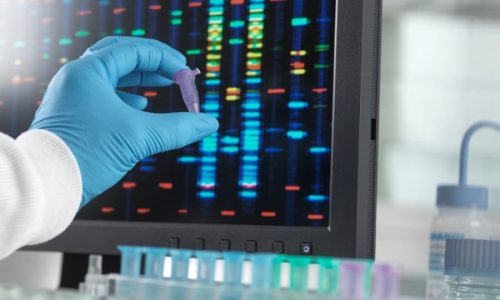
The biopsy samples are sent to a laboratory for analysis. Lab pathologists may take several weeks to complete a full assessment. They look for two main types of lung cancer biomarkers:
- Mutations that promote the growth of cancer cells
- Immune response biomarkers
Lab findings are compiled into a detailed report, called a tumor profile, that helps oncologists assess the features of a patient’s tumor. The most common biomarkers detected in lung cancer include the protein p53, which is found in about 50% of patients, and KRAS, a gene that produces a protein involved in cell signaling pathways, which is found in about 30% of patients. Testing will also look for many other biomarkers to provide as comprehensive an understanding of the cancer as possible.
Once prepared, the tumor profile can help inform treatment decisions in many ways. It can help the oncologist predict how quickly a tumor is likely to grow. It can also indicate whether the patient is a good candidate for certain treatment types, including targeted therapies and immunotherapy.
When Is Biomarker Testing Used?
Biomarker testing is most commonly used for non-small cell lung cancer (NSCLC), which is the most common type of lung cancer. It may be used at a few different points in the course of a patient’s care, including:
- At diagnosis
- During treatment
- If cancer recurs after treatment
Biomarker testing is not typically used for small cell lung cancer (SCLC). This is because the mutations that most often cause SCLC cannot be targeted by any current treatments. In addition, these cancers often feature multiple types of mutation within the same tumor. This adds to the difficulty of attacking them with any single type of targeted therapy, making this treatment approach less effective.
Understanding Precision Medicine
Part of what makes biomarker testing valuable is its role in precision medicine, which involves use of therapies that target cancer cells while minimizing damage to healthy tissue. The following biomarkers can be targeted by precision medicine:
- EFGR mutation
- ALK gene rearrangement
- ROS1 rearrangement
- BRAF V600E mutation
- NTRK fusion
- MET amplification or MET exon 14 skipping
- RET rearrangements
- PD-L1 (an immune response biomarker)
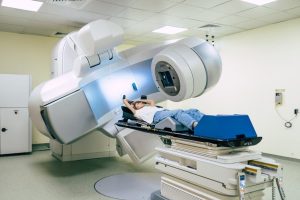
In many cases, targeted therapy and immunotherapy are used in conjunction with other approaches, such as surgery, radiation therapy, and chemotherapy, to treat NSCLC. However, not all mutations can be targeted with this type of treatment. If immunotherapy or targeted therapy is not an option, oncologists will take a different approach, which often will chemotherapy, surgery, or radiation therapy, with those therapies used alone or in combination. They may also recommend that the patient participate in a clinical trial, which can provide access to promising advances in care..
Questions to Ask About Biomarker Testing
Before undergoing any medical procedure, including screenings, it is important for patients to understand what to expect. Questions to ask the care team include:
- What are the costs associated with comprehensive biomarker testing?
- Will testing be covered by my insurance plan?
- Can tissue from an earlier biopsy be used for testing, or is a second biopsy required?
- What do biomarker testing results show, and what does it mean for treatment?
Find Expert Lung Cancer Care Near You in NJ, CT, MA, and the Washington, D.C., Area
Biomarker testing for lung cancer has expanded treatment options and improved treatment outcomes for patients across the country, bringing them new hope. Regional Cancer Care Associates is committed to advancing cancer care with innovative research and patient education. To learn more about biomarker testing for lung cancer, contact us today.
Frequently Asked Questions About Lung Cancer Treatment and Biomarkers
What is immunotherapy?
Immunotherapy gives “instructions” to the patient’s immune system to identify and attack cancer. It is an option for lung cancers with certain biomarkers.
What is targeted therapy?
Targeted therapy uses drugs that latch onto cells with certain biomarkers, destroying them or interfering with their function while not affecting healthy tissue.
What are the benefits of precision medicine?
Precision medicine, such as immunotherapy and targeted therapies, can attack tumor cells without damaging healthy tissue. This allows for effective treatment with fewer side effects and a higher quality of life for the patient than certain forms of chemotherapy.
What are the signs of lung cancer?
Early indicators of lung cancer include:
- A cough that lasts for weeks
- Chest, shoulder, or back pain
- Hoarse voice or breathing
- Feeling breathless
- Coughing up blood
- Recurring bronchitis or pneumonia
However, these symptoms may be indications of a wide range of conditions, not just lung cancer. If you are experiencing one or more of them, it is important to see your primary care physicians or other healthcare provider for prompt evaluation.