2026 Cancer Statistics
Cancer Death and Diagnosis Statistics for 2026: 2 RCCA Oncologists Provide Insights into the Numbers The latest statistics from the American Cancer Society (ACS) detail


Dr. Lee explains, “Some of that unreliable information may have been accurate when it was first posted on the web several years ago but has become outdated due to the speed with which we’re making progress in diagnosing and treating cancer. Other information is just plain wrong, and some is provided in a misleading manner to help sell a product or service. I always encourage my patients and their families to learn as much as they would like about their condition and its treatment, but it is critical to turn to trusted sources because I want people to be not just informed but well-informed.”
Joel Silver, MD, a board-certified medical oncologist and hematologist who practices at RCCA’s West Hartford, CT, office, noted that a study1 published in the Journal of the National Cancer Institute in 2022 highlights why it’s so important to be a careful consumer of cancer-related information.
He explains, “Researchers identified the 50 most popular English-language news articles and blog posts on each of the four most common cancers – breast, colorectal, lung, and prostate cancer – posted on four social media platforms in 2018 and 2019. Then they had two experts in each of those types of cancer evaluate the extent to which the articles contained true and false information. The experts found that 32.5% of the 200 articles contained misinformation. Worse, 30.5% of the articles and posts were deemed to contain harmful information, such as content that could cause someone to not seek medical attention for a treatable or curable condition, to delay seeking medical attention, or to obtain a treatment with potentially harmful effects.”
So where can people dealing with cancer find reliable information?
“Your oncologist and the healthcare professionals working with him or her should be your first stop and go-to source,” Dr. Silver says. He adds, “I say that not only because of the extensive training oncologists receive and their experience, but also because your doctor knows you and the specifics of your case. Each patient is unique, and the treatment that is best for you may differ markedly from the preferred treatment for another person with the same type of cancer due to factors such as your age, overall health, other medications you are taking, the stage of the cancer, and any genetic mutations that may be driving the cancer. At RCCA, we take all of those characteristics into consideration to develop a highly individualized treatment plan for each person. Just as a ‘one-size-fits-all’ approach doesn’t work for treating cancer, neither is it helpful for giving people information pertinent to their particular situation.”
Dr. Lee notes that the National Cancer Institute (NCI) recommends that people ask themselves several questions to help determine whether online health information is credible. According to the NCI, those questions include:2
The medical oncologist adds that several government agencies and non-profit medical specialty and patient advocacy organizations provide trustworthy information. Specifically, he cites the:
National Cancer Institute “Further, long-established cancer care organizations such as RCCA offer physician-reviewed, evidence-based articles and other resources, so I would urge people to visit our site or sites operated by organizations such as the Mayo Clinic or Cleveland Clinic,” Dr. Lee notes.
Dr. Silver notes that many people with cancer obtain information from online patient forums. “Receiving a diagnosis of cancer can be very isolating. No matter how much your family and friends care about you and are there to support you, they can’t know exactly what it’s like to be living with your condition. Patient forums and support groups, whether online or in person, can connect you with others who are in the same situation or a similar one, and that can be a great source of hope and encouragement.”
The oncologist adds, “While I value these forums for the opportunity they provide for people to share their experience, it is important to remember that what you are reading or hearing from others is just that: their experience. It will not necessarily be your experience. Some people may have a very positive response to a therapy; others may not. One person can complete a course of chemotherapy with minimal side effects while another can have a tougher time. So, while patient forums can provide considerable moral support, I do not advise looking to them for medical information.”
Dr. Lee adds that patients should check with their physician before making any changes based on something they have read online or heard elsewhere. “Sometimes people are reluctant to ask oncologists about an over-the-counter supplement or a dietary plan or an exercise regimen because they think we will automatically dismiss it out of hand. We won’t. We want what’s best for you, and we want you to be an active partner in protecting and promoting your health. So, share your thoughts with us and we will give you our best guidance based on the evidence, our experience, and our knowledge of your situation.”
Dr. Silver agrees, saying, “In addition to ‘Consider the source,’ the adage ‘Knowledge is power’ also applies to cancer-related information. We want to empower our patients to make decisions based on the best knowledge available and we need to know their questions and concerns so that, together, we can develop and implement a powerful plan to treat their cancer.”
*******
Dr. Lee and Dr. Silver are among 100+ medical oncologists and hematologists who practice with Regional Cancer Care Associates (RCCA), one of the nation’s largest networks of oncology specialists. RCCA has more than 20 locations near you across New Jersey, Connecticut, Massachusetts, and the Washington, D.C., area. RCCA’s cancer specialists see more than 30,000 new patients each year and provide care to more than 265,000 established patients, collaborating closely with those patients’ other physicians. RCCA physicians offer patients innovative therapies, including immunotherapies and targeted therapy, as well as access to approximately 300 clinical trials. In addition to serving patients who have solid tumors, blood-based cancers, and benign blood disorders, RCCA care centers also provide infusion services to people with a number of non-oncologic conditions—including multiple sclerosis, Crohn’s disease, asthma, iron-deficiency anemia, and rheumatoid arthritis—who take intravenously-administered medications.
To learn more about RCCA, call 844-346-7222.
Cancer Death and Diagnosis Statistics for 2026: 2 RCCA Oncologists Provide Insights into the Numbers The latest statistics from the American Cancer Society (ACS) detail
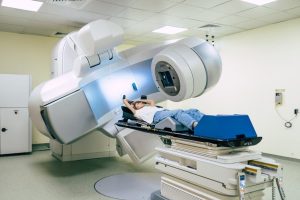
If you’ve been diagnosed with breast cancer, you may have heard radiation therapy discussed as part of your treatment plan. This approach is commonly used

Cancer and its treatment often impact a person’s quality of life. In the case of prostate cancer, a man’s sex life may be affected. Sexual