
What Do Patients with Cancer Need to Know About Fertility Before Starting Treatment?
While cancer is rare in young adults, it occurs more frequently than many people realize. Young, healthy patients frequently get positive results from cancer care.
HIPAA Alert: Potential Data Breach Learn More
Questions on Oncology, Hematology and/or Infusion Clinical Services due to COVID-19 Crisis – CALL 833-698-1623
Important Information for Our Patients Regarding the Coronavirus.
RCCA Providing Area Cancer Patients with Access to Care During Coronavirus Outbreak
RCCA Offering Patients Virtual Visits During Coronavirus Pandemic
The end of cancer treatment can feel complicated. While you may feel relief and hope, you may also worry about what the future may hold. It is normal to have questions about long-term management, adjusting to new routines, and what to do if the cancer recurs.
Regional Cancer Care Associates (RCCA) is a group of more than 90 medical oncologists and hematologists who treat patients who have solid tumors, blood-based cancers, and benign blood disorders at more than 20 locations near you throughout New Jersey, Connecticut, Massachusetts, and the Washington, DC area. Here, we offer a guide to life after cancer treatment to help you navigate your return to daily life.
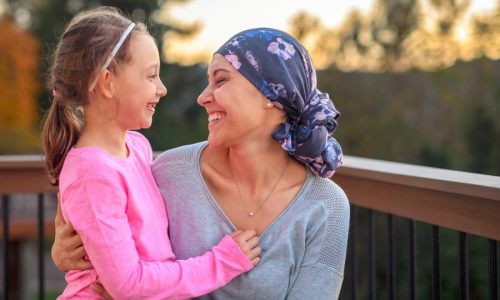
There are more than 18 million cancer survivors in the United States, according to the National Cancer Institute. Over 70% of these patients have lived for five or more years since their diagnosis, and that percentage is increasing. However, cancer being in remission or controllable does not mean the patient’s healthcare journey is over. Patients must still receive follow-up care while facing other unique physical, emotional, and social challenges.
Cancer survivorship is a medical specialty that focuses on the health and well-being of a person between their cancer diagnosis and the end of their life. It helps patients and their loved ones navigate follow-up care, long-term effects of treatment, cancer recurrence, and more. It also emphasizes mental, emotional, social, and financial support as people make the transition back into everyday life.
The first year after finishing cancer treatment is often challenging. Patients and caregivers cope with complex emotions, lingering side effects, and returning to a new normal that might not resemble their old lifestyle. During this period, you are encouraged to take it slowly and give yourself time to adapt.
The end of cancer treatment can seem emotionally contradictory. While patients may expect relief, many find that the end of their “safety net” is anxiety-provoking. They may feel lost or uncertain about what to do next. They may also feel worried about cancer recurrence, nervous about seeing the oncologist less often, or depressed about permanent changes in their bodies and lifestyles.
Patients going through the end of cancer care should not hesitate to seek support. They can talk to their care team, join peer support groups, and share their feelings with friends and family. It’s also helpful to focus on stress relief, physical wellness, and social connections.
Regular visits to the oncologist do not end when cancer treatment does. Follow-up care is still important to confirm that the treatment was successful, monitor for cancer recurrence, and manage late side effects. Most patients have follow-up appointments every three months. At these appointments, patients can expect:
This three-month schedule lasts for at least one year after the end of cancer treatment. Some patients may continue it longer, depending on the type of cancer they were treated for, its stage, and their specific treatment. The oncologist will decide when to switch to a less frequent schedule, usually within three to five years.
Although the cancer itself may be gone, many individuals struggle with long-term health effects from the disease or its treatment. These may improve over time, while others can persist or require ongoing management. Patients who struggle with late effects of cancer treatment can talk with their care teams about management strategies for lingering symptoms.
Chemo brain, also called cancer-related cognitive impairment or brain fog, refers to cognitive changes caused by cancer and cancer treatment. Chemo brain is relatively common, and it can make adjusting to daily life difficult. Symptoms of chemo brain may include:
These changes usually improve over several months to a year. Regular cognitive exercises may help patients manage cognitive changes and everyday tasks. In the meantime, structured routines and managing fatigue can help individuals reduce the effects of chemo brain for improved everyday functioning.
Radiation therapy and certain chemotherapy drugs may cause heart issues after treatment. Heart problems may include congestive heart failure, or a weakening of the heart muscle. They may also include coronary heart disease, caused by a narrowing of the blood vessels that supply blood to the heart. Patients who experience these changes should talk with their healthcare team about appropriate heart-health strategies, which may include diet, physical activity, weight management, and medical treatment or monitoring.
Thinning of the bones is a common consequence of numerous cancer treatments, including chemotherapy, hormone therapy, radiation therapy, and steroid medicines. Strategies to maintain good bone health include:
Routine physical examinations and dual-energy X-ray absorptiometry (DEXA) scans to monitor bone density may be recommended. Monitoring keeps patients aware of their bone health and helps them know when to be careful with activities that might result in a fracture.
Neuropathy refers to nerve damage or dysfunction that often occurs after chemotherapy. It changes how the brain exchanges information with the extremities, causing symptoms such as:
Nerves heal very slowly, so recovery can take a while. Mild neuropathy may last for a few months, while severe damage can last for years. Management strategies include taking nerve pain medications, using topical treatments to soothe localized areas, and exercising to improve balance and muscle function.
Many cancer treatments cause temporary or permanent hormone changes. Hormone therapy may lower certain hormone levels or block their effects to slow the growth of hormone-sensitive cancers, including prostate cancer and some breast cancers. Surgery may remove organs that contribute to hormone production. Chemotherapy can induce early menopause or cause an underactive or overactive thyroid. These complications can have widespread effects on the body depending on which hormones are affected.
Hormone replacement therapy (HRT) may be recommended for some patients. Patients can also talk to their care teams about any sexual or fertility changes related to reduced hormone levels. Medications, exercises, and counseling can help people navigate the sexual health issues that may follow treatment for cancer.
Cancer is rarely completely cured. Instead, oncologists say that the cancer is in remission. Remission means that the signs and symptoms of cancer have decreased or disappeared. In complete remission, all detectable signs and symptoms of cancer are gone, although this does not necessarily mean the cancer has been cured. There is no way to guarantee that no cancer cells remain in the body, and the cancer could return if cells start multiplying again.
One of the functions of follow-up care is to monitor for recurrence. Regular blood tests and imaging alert oncologists to the possibility of cancer returning. Patients can also help monitor by paying attention to new symptoms, including:
Most cancer recurrences happen within the first few years. Reaching five years without recurrence can be an important milestone for some cancers, but the risk and timing of recurrence vary by cancer type and individual circumstances.
Many patients struggle with strong emotions after cancer care. They may feel overwhelmed by sadness, anger, fear, uncertainty, or fatigue. They may even feel anxious or depressed. All these feelings are normal after a difficult period of life. People are adjusting to physical changes, rebuilding their identity, and recovering from the aftermath of major life decisions.
Facing these feelings is important. Patients should give themselves and their loved ones time to process and adjust. Support groups are an opportunity to connect with other survivors, who share and understand one another’s experiences. People may even want to speak with a mental health professional. Counseling can help patients navigate their emotions and relationships, providing extra support and assistance as they recover and return to a new normal.
Cancer care doesn’t end when the disease goes away. Regional Cancer Care Associates (RCCA) continues to support patients through the end of treatment and onward, helping them transition to daily life while monitoring for signs of recurrence. In addition to helping patients access cancer survivorship services close to home, RCCA specialists provide care to more than 30,000 new patients and 265,000 established patients each year. RCCA physicians offer patients innovative therapies, including immunotherapies and targeted therapy, cutting-edge diagnostics as well as access to approximately 300 clinical trials in community-based centers close to home.
Call 844-346-7222 or contact us today to request an.
What does cancer survivorship mean?
Cancer survivorship is a type of healthcare that focuses on a patient’s health from the time of their cancer diagnosis until the end of their life. It supports patients through the physical, mental, emotional, social, and financial effects of cancer, both during treatment and afterward. It also addresses issues related to follow-up care.
How long does fatigue last after chemotherapy?
Fatigue is a common side effect of chemotherapy. It usually starts improving a few weeks after the chemotherapy ends and continues to get better for 6 to 12 months, although some individuals experience long-lasting exhaustion beyond that.
What is ‘chemo brain’ and when does it go away?
Chemo brain is a cluster of mental and memory changes caused by chemotherapy. It may also be called cancer-related cognitive impairment or brain fog. Symptoms of chemo brain include:
Most patients experience an improvement in their symptoms within several months after their treatment ends. Some people may experience mild effects for a year or longer.
How often do I need follow-up appointments after cancer treatment?
Most patients get follow-up appointments every three to four months for the first few years after treatment. After several years, they get appointments once or twice a year. Your exact schedule depends on the type of cancer you had, the treatments you received, your overall health, and your risk of cancer recurrence.
What are the signs of cancer recurrence?
The signs of cancer recurrence depend on where the cancer returns. Possible signs may include new lumps or swelling, persistent pain that does not go away, weight loss, fatigue, and a fever or chills.
What does it mean to be in remission?
Remission means that the signs of cancer have decreased or disappeared. You experience no symptoms, there are no blood markers of cancer, and imaging results don’t show a tumor. While there may be no signs of the cancer, remission does not mean that the cancer is cured. There may still be cancer in the body, and the disease can still come back if cancer cells start to grow again.
How can I reduce my risk of cancer recurrence?
There is no method that can guarantee that cancer never recurs, but patients can take steps to reduce the likelihood of recurrence. Eating a balanced diet, maintaining a healthy weight, staying active, avoiding tobacco and alcohol, and following your care team’s surveillance plan can all help prevent cancer recurrence and equip you for a successful treatment if the cancer does come back.
For more information or to schedule an appointment,
call 844-346-7222. You can also schedule an appointment by calling the RCCA location nearest you.
While cancer is rare in young adults, it occurs more frequently than many people realize. Young, healthy patients frequently get positive results from cancer care.

Every cancer treatment journey begins with finding an oncologist. Patients in Hackensack, NJ, and Bergen County may not realize they don’t need to travel to

One of the most intimidating things about a cancer diagnosis is finding the proper care. Cancer treatment has earned a reputation for long travel and


Regional Cancer Care Associates is one of fewer than 200 medical practices in the country selected to participate in the Oncology Care Model (OCM); a recent Medicare initiative aimed at improving care coordination and access to and quality of care for Medicare beneficiaries undergoing chemotherapy treatment.