Prostate Cancer and Sexual Dysfunction
Prostate cancer develops in the prostate gland, a walnut-sized organ located below the bladder. This organ is responsible for producing the fluid that nourishes and transports sperm. It also contracts to push sperm through the urethra, enabling ejaculation. When a tumor forms, it interferes with these functions. This can negatively impact a person’s ability to have enjoyable sex. Common prostate cancer symptoms include:
- Erectile dysfunction (ED)
- Pain or a burning sensation during ejaculation
- Less ejaculated fluid than normal
- Dry orgasm, or orgasms without ejaculating
- Blood in semen or seminal fluid
- Pain or discomfort during sexual activity
Advanced prostate cancer can cause additional symptoms, such as pain, stiffness, and swelling in the lower back and thighs. While not directly related to sexual function, these symptoms may make sex more difficult or uncomfortable than before.
How Prostate Cancer Treatments Affect Sex
Many prostate cancer treatments also have an impact on a patient’s interest in and enjoyment of sex. The prostate is surrounded by nerves, blood vessels, and muscles that all play a role in producing an erection. These essential structures can be damaged or otherwise affected by cancer treatments:
Surgery
Radical prostatectomy is the preferred surgical treatment for early stages of prostate cancer. The procedure involves partially or completely removing the prostate. Many patients experience at least temporary erectile dysfunction after undergoing radical prostatectomy. This side effect of surgery can improve with time, however. In addition, recent developments in nerve-sparing prostatectomy may reduce the likelihood of ED after prostate removal.
Radiation Therapy
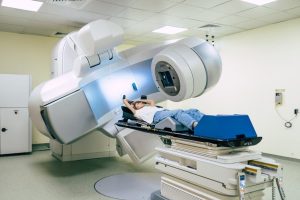
Radiation therapy is another common prostate cancer treatment, especially for early tumors that cannot be fully removed with surgery. Different types of radiation, including brachytherapy, external beam radiation, and stereotactic body radiation therapy, have different degrees of effect on nearby tissue. All types can damage nerves near the prostate, however, with a risk of temporary or permanent erectile dysfunction or dry ejaculation.
Hormone Therapy
Hormone therapy reduces the levels of male hormones in the body, killing certain prostate cancers by depriving them of the hormones they need to grow. Patients who receive hormone therapy may notice a reduced libido or sex drive. Others maintain their libido, but have difficulty getting an erection, reaching orgasm, or ejaculating. In other cases, hormone therapy may cause a decrease in penis length or size. These effects may fade after treatment ends.
Chemotherapy
Chemotherapy uses strong drugs to kill cancer cells. It is often used to shrink a tumor before surgery or to kill cancer cells that remain afterward. It may also be used to control advanced prostate cancers. While effective, chemotherapy comes with a wide array of side effects, which can include erectile dysfunction and a lower sex drive. Chemotherapy may also cause exhaustion, weakness, soreness, and mood changes, which can also impact a person’s sex life.
Targeted Therapy
Targeted therapy is a cutting-edge treatment approach that attacks cancer cells by honing in on specific proteins or genetic changes while leaving healthy tissue alone. This method is highly personalized with side effects that vary depending on the specific therapy being used. Some targeted therapies can reduce male sex hormones, resulting in reduced libido and erectile dysfunction. Patients should talk to their doctor about what to expect from their targeted therapy regimen.
The Emotional Impact of Cancer Treatment
Cancer and cancer treatment may also affect a person’s emotions and energy level. Prostate cancer is a serious diagnosis, and the intensity and side effects of its treatments may also cause stress. Many patients experience feelings such as:
- Fatigue or tiredness
- Low energy
- Distress from pain
- Body image issues
- Fears about the future
- Depression and anxiety
These feelings can make it harder for patients to relax. Patients may struggle to feel excited about intimacy or to get the same enjoyment out of it, even if they maintain the physically capabilities they had previously.
Returning to Sex After Prostate Cancer
Fortunately, sex-related side effects from cancer treatment are not always permanent. Some patients may struggle to enjoy sex to the same extent that they did before their cancer. Others, however, find their erectile issues get better over time and also have renewed energy and interest in sex. Whether erectile function returns depends on several factors, including:
- What treatment or treatments were received
- How extensive the treatment was
- The patient’s age and overall health
- Whether the patient experienced strong erections before treatment
Even if erectile function never returns, patients may still enjoy sex. Many men can feel pleasure and achieve orgasm without an erection. They may also find other ways of being intimate with their partners, which can feel just as rewarding.
Managing Erection Problems
While sex can still be enjoyable without an erection, many men feel disappointed when they have ED. They may feel like they lost something important or miss the same experiences they enjoyed before their cancer. For these patients, certain treatment strategies can help deal with sexual side effects. The following approaches may be useful for treating or managing erection issues:
Emotional Counseling
If erection problems are caused by emotional distress, a therapist or mental health professional may be able to help. There are mental health professionals who specialize in helping patients navigate the emotional difficulties caused by cancer treatment and the sexual issues it causes.
Medication
Medications such as PDE5 inhibitors are often the first treatment offered for ED and can help patients get and maintain an erection long enough to have sex. Patients sometimes need to heal from surgery before ED medicines are effective, and they should be careful to avoid counterfeits.
Vacuum Erectile Devices
Vacuum erectile devices (VEDs) draw blood into the penis, filling its tissue to make it firmer. This can facilitate sexual activity. While using a VED may take practice, many men find it effective in making sexual activity more rewarding.
Penile Injections
Penile injections use a very thin needle to administer medications that cause erections. When used before sexual activity, they can produce a firmer and longer-lasting erection. Many men find them effective, but patients should be aware of the short- and long-term side effects.
Pelvic Floor Muscle Training
Pelvic floor training is done to strengthen the muscles in the genital area. Exercises can help patients regain erections, especially when used alongside other treatments. They may also counteract muscle weakness caused by cancer and can help with incontinence.
Penile Rehabilitation
Penile rehabilitation refers to steps that patients take after surgery to increase the likelihood that they regain erections. Rehabilitation strategies are personalized and may feature medications, VEDs, pelvic floor muscle training, injections, or a combination of those approaches.
Penile Implants
If other treatments fail, a penile implant may be an option. Penile implants use inflatable tubes or bendable rods to create an erection firm enough for sexual activity. Implant placement requires surgery, so patients should be sure of what they want before taking this step.
Find Outstanding Prostate Cancer Care Near You in NJ, CT, MA, and the Washington, D.C., Area
Working with an expert oncologist can make a significant difference when navigating the challenges of cancer treatment, including sex after prostate cancer. Regional Cancer Care Associates (RCCA) is one of the largest oncology networks in the United States, serving patients at more than 20 locations near you in New Jersey, Connecticut, Massachusetts, and the Washington, D.C., area. Patients can contact us to request an appointment.
Frequently Asked Questions About Prostate Cancer
How is prostate cancer detected?
Prostate cancer is most often detected through a blood test that measures prostate-specific antigen (PSA) levels in the blood, by digital rectal examination (DRE), and by imaging studies such as magnetic resonance imaging (MRI) or computed tomography (CT) scan. After possible cancer is identified, a biopsy will be ordered to confirm the diagnosis.
What is prostate-specific antigen (PSA)?
Prostate-specific antigen (PSA) is a protein produced by cells in the prostate gland. While both normal and cancerous prostate cells produce PSA, cancerous cells often produce more. This causes PSA levels to rise when cancer is present, making PSA screening an effective way to recognize the potential presence of cancer.
When should men start getting screened for prostate cancer?
Patients at average risk are recommended to start routine screening at age 50. Those with above-average risk may consider starting testing earlier. Because the incidence of prostate cancer is higher in Black men than in men of other racial and ethnic backgrounds, many organizations, including the American Cancer Society and the American Urological Association, recommend that Black men consider initiating screening at an earlier age, such as 40 or 45 years.
What are the survival rates for prostate cancer?
Survival rates for early-stage prostate cancer are very good. Nearly 100% of patients diagnosed with Stage I prostate cancer will survive for at least five years. Survival rates decline as cancer progresses to more advanced stages.